

Culture & People of East Africa
Travel deeper through traditions, communities and everyday stories that bring a destination to life beyond its landscapes.
Meet East Africa through its people.
Cultural experiences are most meaningful when they are approached with respect, context and time. Explore the communities and traditions managed by our travel team below.
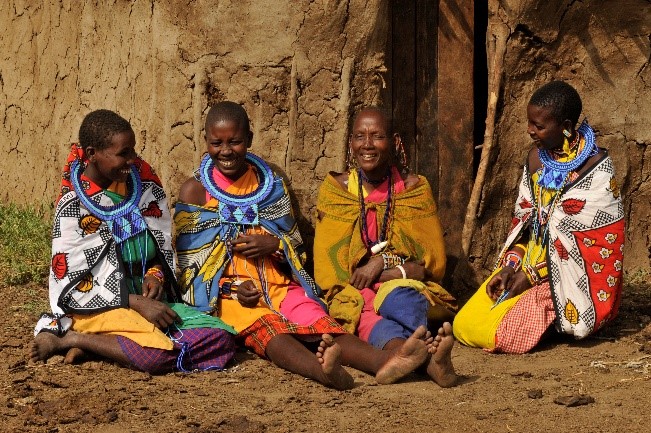
Masaai
The Maasai are a Maa-speaking people whose communities extend across southern Kenya and northern Tanzania. Cattle and pastoral land use have an important place in Maasai history, but Maasai lives today also include education, professional work, trade, farming and urban residence. The community should not be reduced to the familiar image of a red shuka or a wildlife safari backdrop.
Learn More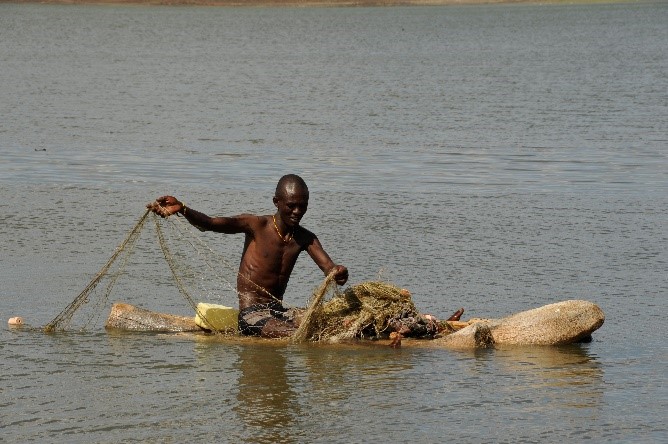
Elmolo
The El Molo are a small community closely associated with the southeastern shores and islands of Lake Turkana in northern Kenya. Their history is linked to the lake, fishing knowledge and adaptation to a demanding environment. Accounts of El Molo identity and language should be approached carefully because language shift and intermarriage have shaped community life.
Learn More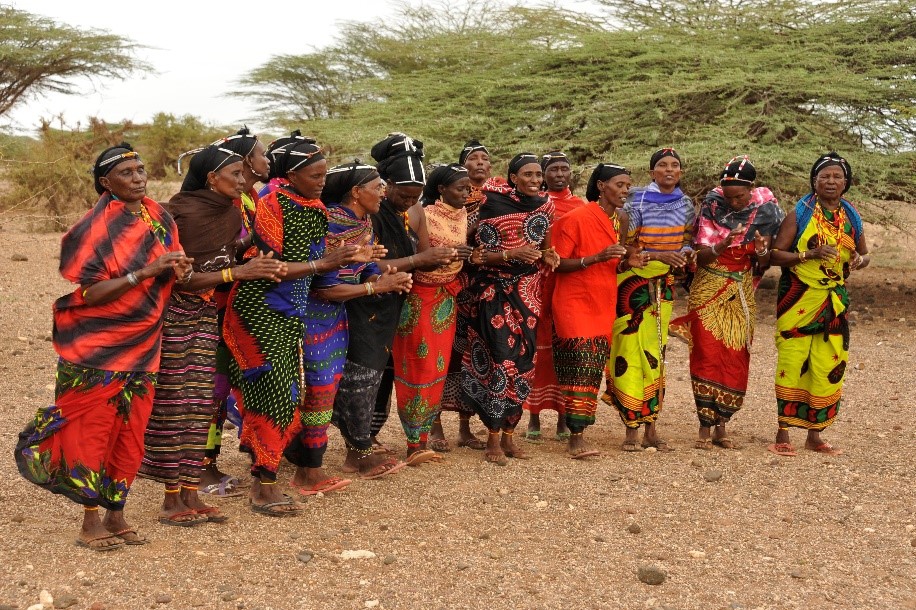
Gabbra
The Gabra, also written Gabbra in some sources, are a Cushitic-speaking community living principally in northern Kenya, including Marsabit County and the wider Chalbi region. Camel husbandry and mobility have historical importance, although households pursue different combinations of herding, commerce, wage work and other activities.
Learn More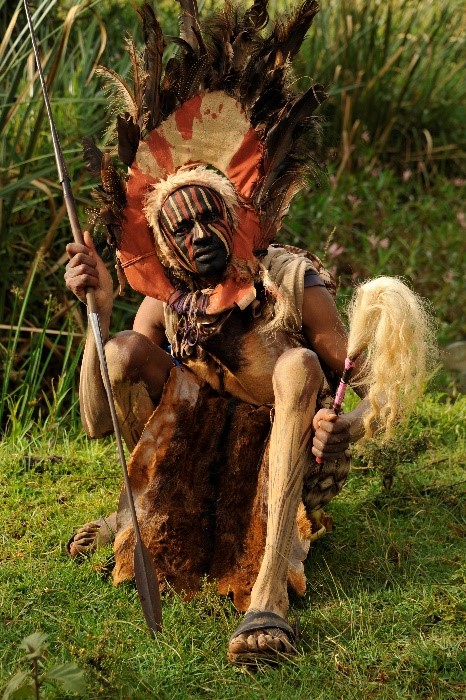
Gikuyu
The Gikuyu, often written Kikuyu, are a Bantu-speaking people historically associated with the central Kenyan highlands around Mount Kenya. They are also an important part of Nairobi and Kenya’s wider urban and diaspora communities. Agricultural history, language, family networks and political change are all central to understanding Gikuyu life.
Learn More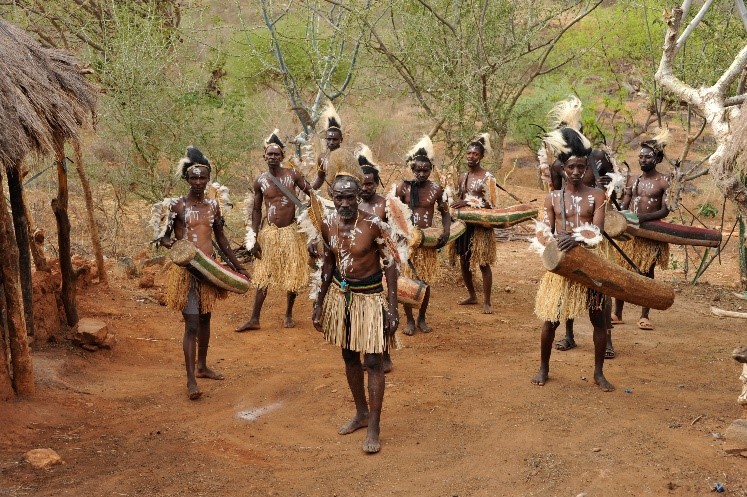
Mbeere
The Mbeere are associated with eastern Kenya, especially the lower and drier parts of Embu County. They speak varieties related to neighbouring eastern Bantu languages and share some historical relationships with Embu and other communities, while maintaining their own identities and local histories.
Learn More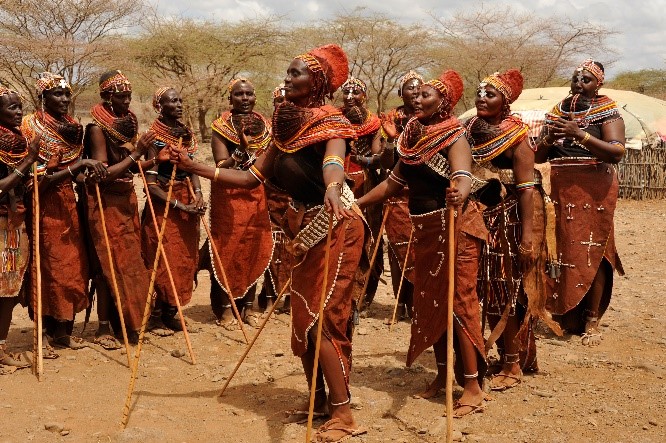
Rendille
Rendille communities are associated with northern Kenya, particularly parts of Marsabit County. Rendille is a Cushitic language, and camel pastoralism has played a significant role in social and economic life. The community’s history includes long-standing relationships with neighbouring groups across the northern drylands.
Learn More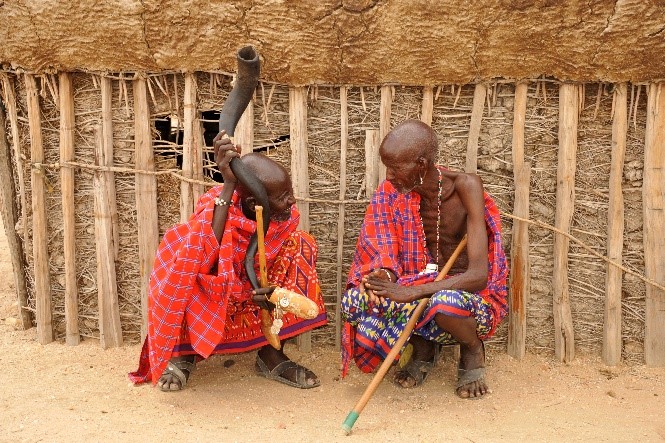
Samburu
The Samburu are a Maa-speaking people associated with northern Kenya, including Samburu County and surrounding areas. Their cultural histories have connections with pastoralism, kinship and age-set institutions, while livelihoods and residential patterns vary widely today.
Learn More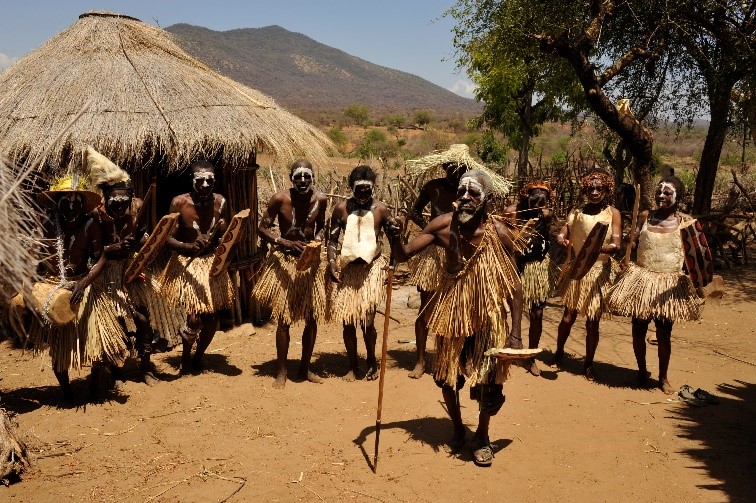
Tharaka
The Tharaka are a community of eastern Kenya, closely associated with areas of Tharaka-Nithi County and the lower eastern slopes of Mount Kenya. Their history is linked to semi-arid farming environments, local language, community networks and regional exchange.
Learn More