
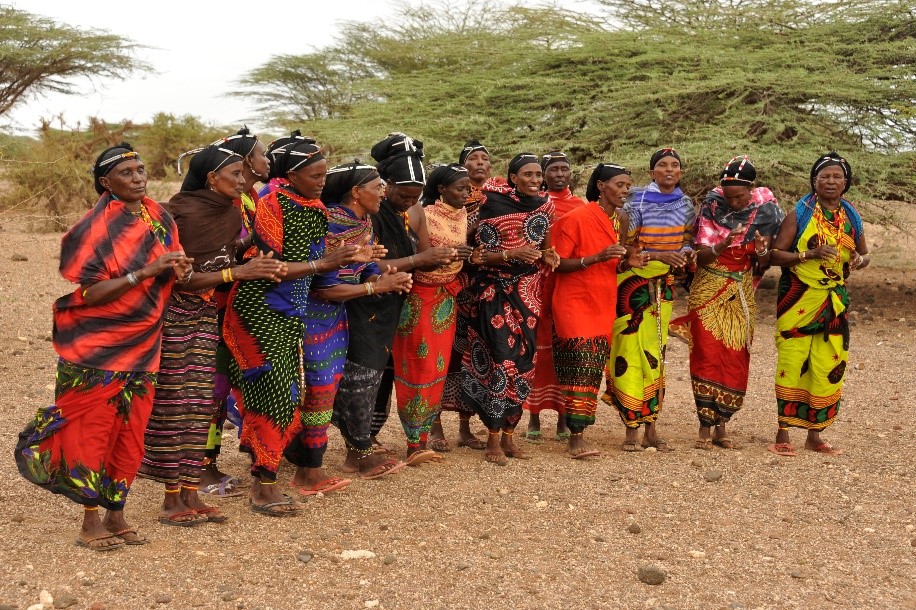
A closer look at Gabbra.
Understanding Gabra pastoral life in northern Kenya
The Gabra, also written Gabbra in some sources, are a Cushitic-speaking community living principally in northern Kenya, including Marsabit County and the wider Chalbi region. Camel husbandry and mobility have historical importance, although households pursue different combinations of herding, commerce, wage work and other activities.
History and cultural context
Pastoral life in arid northern Kenya has depended on detailed knowledge of water, grazing, seasonal conditions and relationships between families and neighbouring communities. Gabra institutions of kinship, customary leadership and mutual support are important topics for deeper community-led research. Descriptions of ritual and ceremony must distinguish documented public information from practices not intended for visitors.
Cultural life today
Contemporary Gabra communities engage with schooling, markets, settlement growth and changing climate conditions. Drought, water management and livestock markets can affect everyday choices. Cultural practices are neither static nor uniform across Marsabit and other areas where Gabra families live.
Mobility and northern Kenya
Gabra communities are associated with the arid northern Kenyan landscape, especially around Marsabit and areas adjoining Ethiopia. Camel husbandry and practices of sharing water and pasture have historical significance in this environment. Regional identities, languages and social ties cross contemporary state boundaries. Discussions of pastoral life need to recognise local differences and the role of trade, education and urban employment.
Living with drought and change
Access to wells, dry-season grazing and livestock markets involves cooperation and negotiated relationships. Drought and environmental stress can force difficult economic choices; treating this adaptability as picturesque obscures the material reality. Visitors can learn most through local guides who explain landscapes and livelihoods with permission. Never presume access to homesteads, livestock enclosures or ceremonies.
Visiting respectfully
The Chalbi landscape requires specialist local guiding and practical safety planning. Arrange experiences through community-approved hosts, pay fairly for any cultural programme and treat homes and ceremonies as private unless an invitation is clearly offered.
Planning a respectful cultural experience
Travellers should choose experiences designed or authorised by the people involved, agree terms and photography permissions in advance, and understand that community life does not exist for visitor entertainment. The most valuable exchange is a conversation in which hosts decide what to explain. Travel arrangements, visitor access and any advertised activities must be confirmed locally before booking; this guide does not guarantee a particular cultural visit.
