
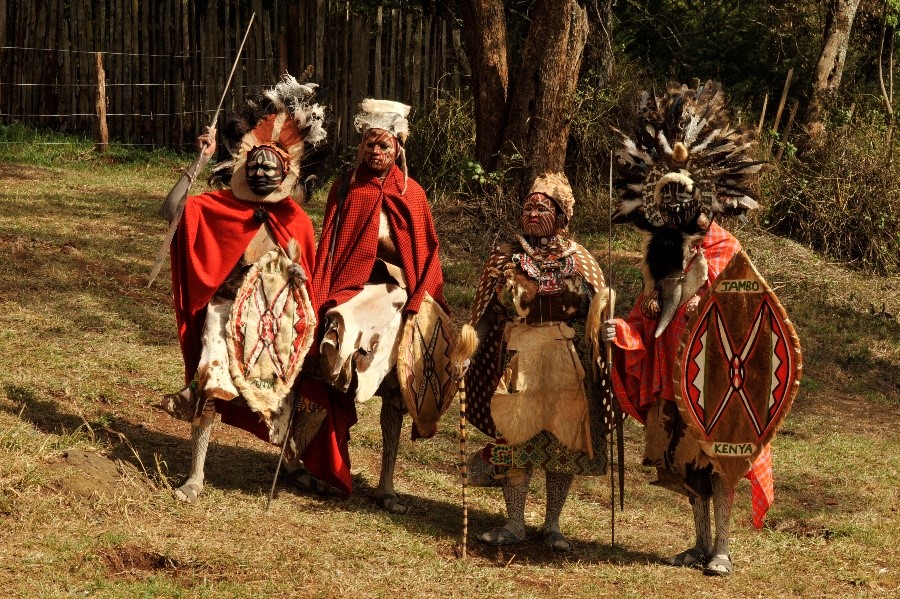
A closer look at Gikuyu.
Understanding Gikuyu history and contemporary identity
The Gikuyu, often written Kikuyu, are a Bantu-speaking people historically associated with the central Kenyan highlands around Mount Kenya. They are also an important part of Nairobi and Kenya’s wider urban and diaspora communities. Agricultural history, language, family networks and political change are all central to understanding Gikuyu life.
History and cultural context
Gikuyu oral traditions connect ancestry and landscape, particularly the Mount Kenya region. Farming systems, land tenure and systems of social organisation changed substantially under colonial rule and through later land reform, migration and economic development. No single village, ceremony or occupation can stand for the experiences of all Gikuyu people.
Cultural life today
Today Gikuyu heritage is expressed through language, literature, music, foodways, kinship and local memory, alongside contemporary professions and urban cultures. Heritage interpretation can examine local histories of farming, markets and independence-era struggle without turning complex histories into simple tourism stories.
Language, memory and highland agriculture
Gikuyu (Kikuyu) is a Bantu language and an important part of cultural identity in central Kenya. Oral traditions, histories of land and family relationships, and knowledge of highland farming help explain the region. Coffee, tea and food farming are important in modern histories, alongside education and business. The community also played significant roles in Kenya's colonial and independence eras, but no single political account describes every family.
Culture beyond a rural stereotype
Literature, music, religious practice, contemporary arts and city life are all parts of Gikuyu identity. When travelling through central Kenya, visitors can explore public museums, landscapes and markets without assuming that private homes are cultural displays. An editorial guide should distinguish documented heritage from myths, and recognise that beliefs and customs differ between generations.
Visiting respectfully
Visitors interested in cultural history may explore museums, community heritage initiatives and sites associated with central Kenya’s past. Seek reputable local interpretation, respect differing perspectives on political history and ask permission before documenting private family traditions.
Planning a respectful cultural experience
Travellers should choose experiences designed or authorised by the people involved, agree terms and photography permissions in advance, and understand that community life does not exist for visitor entertainment. The most valuable exchange is a conversation in which hosts decide what to explain. Travel arrangements, visitor access and any advertised activities must be confirmed locally before booking; this guide does not guarantee a particular cultural visit.
