
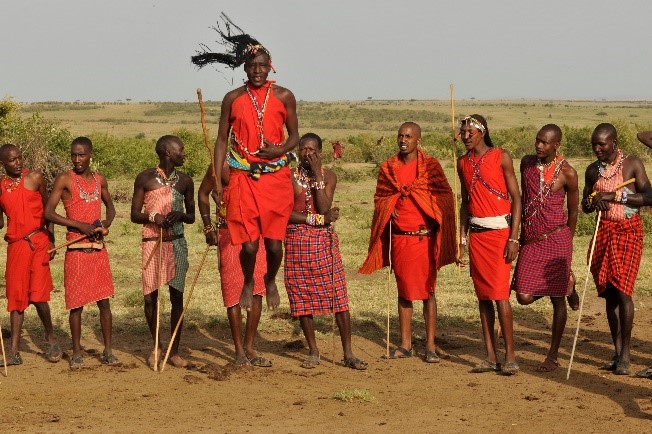
A closer look at Masaai.
Understanding Maasai communities in Kenya and Tanzania
The Maasai are a Maa-speaking people whose communities extend across southern Kenya and northern Tanzania. Cattle and pastoral land use have an important place in Maasai history, but Maasai lives today also include education, professional work, trade, farming and urban residence. The community should not be reduced to the familiar image of a red shuka or a wildlife safari backdrop.
History and cultural context
Maasai social identities have long involved age-set institutions, kinship networks, oral histories and relationships with livestock and land. Ceremonies, dress and adornment can differ by locality, generation and occasion. Access to grazing areas has been transformed by national borders, conservation areas, private land ownership and changing economies. These developments shape both cultural continuity and contemporary debates over land rights.
Cultural life today
In areas surrounding Amboseli and the Maasai Mara, Maasai-run businesses and community initiatives sometimes offer guided visits, storytelling, craft encounters or walks. Their availability and terms should be confirmed directly. Cultural learning is strongest when residents choose what to share and receive appropriate payment, rather than being staged as an obligatory stop on a game drive.
Language, place and pastoral knowledge
Maa is a central marker of cultural identity, although use of Swahili, English and other languages varies by place and generation. Pastoral knowledge includes understanding seasonal pasture, cattle health, water availability and the social arrangements through which households manage drought. Livestock may carry social and ceremonial significance as well as economic value. Yet it would be wrong to describe every Maasai family as nomadic: settlement patterns, land tenure and income sources differ greatly.
Land, conservation and contemporary decisions
The relationship between pastoral communities and protected wildlife landscapes is complicated. Conservation can create jobs, community conservancies and opportunities for locally owned tourism; it can also bring restrictions or disputes over land access. When describing the Mara or Amboseli, distinguish the particular village, conservancy or initiative from the Maasai community as a whole. A cultural itinerary should give guests a chance to hear about current priorities, not only older customs.
Visiting respectfully
Ask permission before photographing people, homes or ceremonies. Do not assume that colourful clothing represents everyday dress, or that every Maasai family shares the same livelihood. Choose community-led experiences, clarify fees beforehand and respect restrictions around sacred or private practices.
Planning a respectful cultural experience
Travellers should choose experiences designed or authorised by the people involved, agree terms and photography permissions in advance, and understand that community life does not exist for visitor entertainment. The most valuable exchange is a conversation in which hosts decide what to explain. Travel arrangements, visitor access and any advertised activities must be confirmed locally before booking; this guide does not guarantee a particular cultural visit.
