
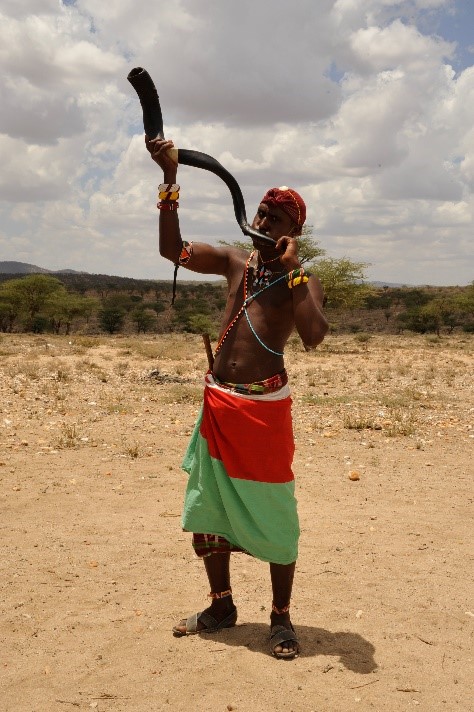
A closer look at Samburu.
Understanding Samburu culture and the Ewaso Ngiro landscape
The Samburu are a Maa-speaking people associated with northern Kenya, including Samburu County and surrounding areas. Their cultural histories have connections with pastoralism, kinship and age-set institutions, while livelihoods and residential patterns vary widely today.
History and cultural context
Samburu identity is often represented in travel imagery through beadwork and ceremonial dress. Those are meaningful forms of expression, but they should be explained with the people who make and use them. The relationship between livestock, land access and settlement has also been shaped by conservation policies, education and the wider economy.
Cultural life today
The Ewaso Ngiro river system and northern rangelands are important parts of the setting in which many Samburu communities live. Tourism and conservation generate opportunities as well as difficult questions concerning land, water, representation and how revenue is shared. Community voices matter when interpreting these subjects.
Language and pastoral landscapes
Samburu is a Maa language closely related to, but distinct in community identity from, neighbouring Maasai varieties. Samburu histories are associated with northern Kenya's pastoral landscapes, especially in the area of Samburu County and neighbouring districts. Social life has included age-set organisation, herding knowledge, song and adornment, but practices vary and continue to change.
Conservancies and community tourism
Samburu National Reserve and surrounding conservancies are wildlife destinations, yet they are also part of inhabited landscapes with their own land and resource questions. Some locally organised visits explore beadwork, livelihoods or conservation initiatives. Operators should confirm exactly who hosts an experience and how they are compensated; a tourist stop should never be assumed to represent all Samburu people.
Visiting respectfully
Choose locally managed experiences when available, especially those that support artisans and guides directly. Do not assume that any settlement welcomes drop-in visits. Ask before photographing individuals, and avoid calling people “warriors” as a substitute for explaining their lives.
Planning a respectful cultural experience
Travellers should choose experiences designed or authorised by the people involved, agree terms and photography permissions in advance, and understand that community life does not exist for visitor entertainment. The most valuable exchange is a conversation in which hosts decide what to explain. Travel arrangements, visitor access and any advertised activities must be confirmed locally before booking; this guide does not guarantee a particular cultural visit.
