
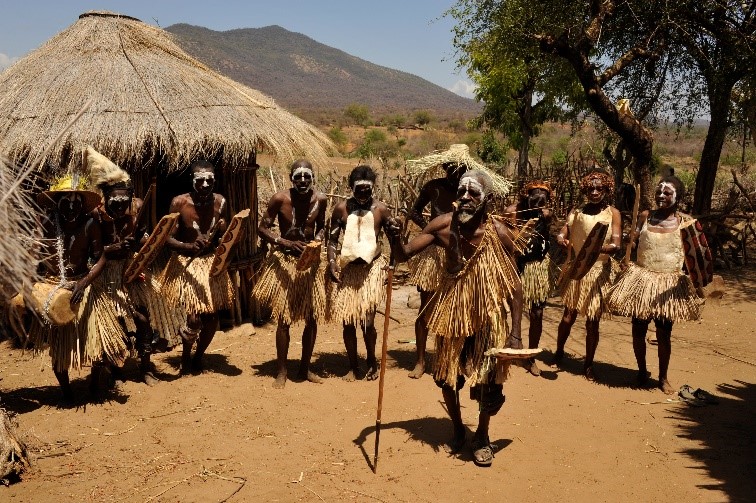
A closer look at Tharaka.
Understanding Tharaka cultural history in eastern Kenya
The Tharaka are a community of eastern Kenya, closely associated with areas of Tharaka-Nithi County and the lower eastern slopes of Mount Kenya. Their history is linked to semi-arid farming environments, local language, community networks and regional exchange.
History and cultural context
Food production and adaptation to variable rainfall have influenced local knowledge. Tharaka heritage also includes oral histories, social institutions and material culture, although detailed accounts of customs should be checked against local scholarship rather than borrowed from other Mount Kenya communities. Similarities with neighbours do not erase distinct identities.
Cultural life today
Tharaka communities are part of contemporary Kenyan life through agriculture, schooling, business, migration and local governance. A good cultural account should acknowledge changes in household livelihoods and the choices younger people make about language and heritage.
Tharaka landscapes and language
Tharaka communities are associated with the drier eastern slopes and foothill areas of Mount Kenya, especially Tharaka-Nithi County. Their Bantu language and local oral histories connect them to the wider eastern Mount Kenya region while retaining a distinct identity. Farming and livestock keeping have been influenced by variable rainfall and river valleys.
Heritage in everyday life
Agricultural knowledge, local markets, forms of music and storytelling, and relationships among generations all deserve attention alongside ceremonial histories. Many customs are better learned through public cultural institutions or locally authorised encounters than second-hand tourism summaries. Avoid repeating a single origin account as historical fact or presenting practices from neighbouring communities as exclusively Tharaka.
Visiting respectfully
Visitors should explore documented public heritage opportunities with local partners rather than treating everyday homesteads as attractions. Ask permission for photography and be cautious about describing rituals or sacred locations without community authorisation.
Planning a respectful cultural experience
Travellers should choose experiences designed or authorised by the people involved, agree terms and photography permissions in advance, and understand that community life does not exist for visitor entertainment. The most valuable exchange is a conversation in which hosts decide what to explain. Travel arrangements, visitor access and any advertised activities must be confirmed locally before booking; this guide does not guarantee a particular cultural visit.
