The African Hippo
The African hippo, also known as the hippopotamus, is one of the unique animals you will find in Africa. It is known for its huge size, semi-aquatic lifestyle, which makes it found along the river banks and lakes. The African hippo may appear to be calm when floating in water, but it is one of the most powerful and dangerous animals in Africa. It is admired for its huge size but equally feared for its strikes.
Discover the African hippo in detail, including its physical description, size, habitat, diet, behavior, reproduction, threats, and the best places to observe it in Africa. By the end, you will understand why the African hippo is one of the iconic animals on the African continent.

Description of the African Hippo
The African hippo is the second heaviest animal in the world after the African Bush elephant. Adult male African Hippo are called bulls, weigh between 1,500 and 3,200 kilograms, while females are usually smaller, weighing between 1,300 and 1,500 kilograms.
The hippo has a large barrel-shaped body, short legs, and a wide mouth that can open up to 150 degrees. The skin of an African Hippo is hairless, thick, and brownish with some pink tint around areas like the eyes and ears. The skin of an African hippo produces an oily fluid that acts like sunscreen to protect it from drying.
One of the most noticeable features of the African hippo is its large mouth and teeth. Males have long canine teeth, which are also known as tusks, and they can grow up to 50 centimeters. These tusks are used for defending their territories and not for eating.

Habitat of the African Hippo
The African hippo is found in parts of sub-Saharan Africa. They live in areas where the water is always available all year round, such as rivers, lakes, and wetlands like dams and water pools. Hippos spend most of their lives in water because their skin can easily overheat, making it sensitive to the sun.
Countries where African hippos are commonly found include Lake Naivasha in Kenya, Tanzania, Uganda, Zambia, South Africa, and Botswana. They are especially abundant in the Okavango Delta in Botswana, the Luangwa River in Zambia, and the Mara River in Kenya and Tanzania.
The African hippo submerges itself in the slow-moving rivers and lakes during the day to hide from the hot African sun. The water must be enough to cover their bodies, and close to the open grasslands where they feed at night.

Behavior of the African Hippo
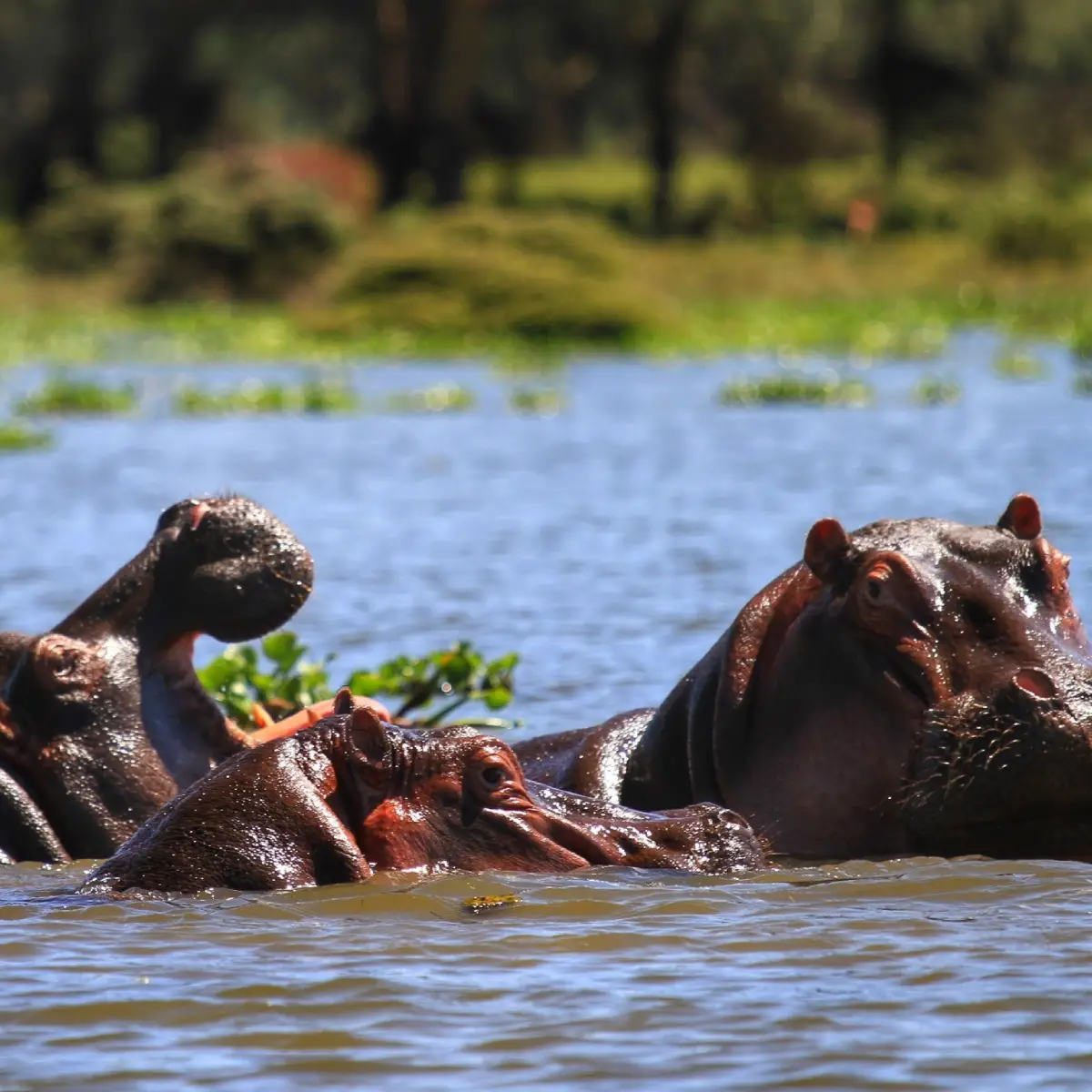
The African hippo is a semi-aquatic animal, meaning it lives both in water and on land. During the day, when the sun is hot, the African hippo spends most of its time submerged in rivers or lakes to cool and to keep its body moist. They only stick out their eyes, ears, and nostrils to allow them to breathe and stay alert.
The African Hippos are social animals and live in groups called pods, bloats, or herds. A pod mostly consists of 10 to 30 individuals, but sometimes larger groups of over 100 hippos can be seen. Each pod is led by a dominant male, who protects its territory and controls access to females.
Even though the African hippo looks calm, it can be very aggressive when it feels threatened. Males are very territorial in water and will attack intruders, including boats and humans. The African hippos are surprisingly fast on land and can run up to 30 kilometers per hour despite their size.

Diet of the African Hippo
The African hippo is a herbivore, which means it eats only plants. Despite having a large body size and huge teeth, it mostly feeds on short grasses. At night, the African hippo leaves the water and goes to nearby grasslands to feed. They can travel up to 5 kilometers away from water in search of food.
An adult hippo is able to eat around 40 kilograms of grass in a single night. An African hippo is different from other large herbivores like elephants or buffalo, because they only graze at night, and they surprisingly do not eat aquatic plants but prefer land grasses.
Reproduction of the African Hippo
The African hippo reproduction process takes place mostly in water, from mating, which usually occurs in the river or lake. During mating, the dominant male in a pod has the right to mate with females.
The female African hippo's gestation period takes about eight months, and after giving birth, the calf is protected from predators. A baby hippo is known as a calf, weighing between 25 and 50 kilograms at birth.
The newborn calf is able to suckle on both land and underwater. Mothers are very protective of their young and often stay close to them for years until they are strong enough to survive on their own.
Threats to the African Hippo
The biggest threats to the African hippo include habitat loss, human conflict, and illegal hunting, despite its widespread distribution across Africa.
The increase in the human population has affected the habitats of the African hippos. People have cultivated more land, turning the natural habitats into agricultural farmlands, affecting the African hippos' habitats, such as rivers, lakes, and other wetlands. This has contributed to most of the reported conflicts with humans.
The African Hippo is also hunted illegally for its meat and teeth, which look like ivory, although smaller than elephant ivory, it is still attractive and valuable in the black market.
Climate change has also affected the numbers of African hippos; it has led to rivers and lakes drying up and swelling up, reducing their habitats and food supply in the open savanna grasslands.

Conservation of the African Hippo
The African hippo has been listed in the International Union for Conservation of Nature (IUCN) Red List as vulnerable. This means that while the species is not yet endangered, it is at risk if conservation efforts are not put in place.
There are many places in Africa that have set up safe havens for African hippos across several countries and have set up national parks and reserves to protect hippos and other wildlife. For example, the Serengeti National Park in Tanzania, the Kruger National Park in South Africa, and the Maasai Mara National Reserve in Kenya have safe habitats where hippos are protected.
Conservation organizations working with local communities have also helped to reduce human-hippo conflict and raise awareness about the importance of protecting wetlands.
Interesting Facts About the African Hippo
The African hippo is able to spend up to 16 hours a day in water.
It is considered a close relative of whales and dolphins.
African Hippos are able to hold their breath underwater for up to 5 minutes.
The African hippo sprays its dung with its tail when marking its territory.
The African hippos are one of the most dangerous animals in Africa, despite being herbivores.
Where to See the African Hippo
These are some of the destinations in Africa to see the African hippo:
- The Okavango Delta in Botswana has large populations of the African Hippos.
- The Luangwa River in Zambia is one of the best spots to see the African hippo in their natural habitat.
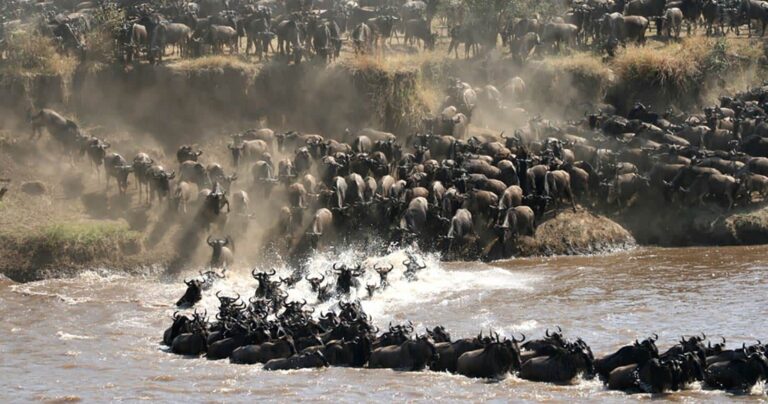
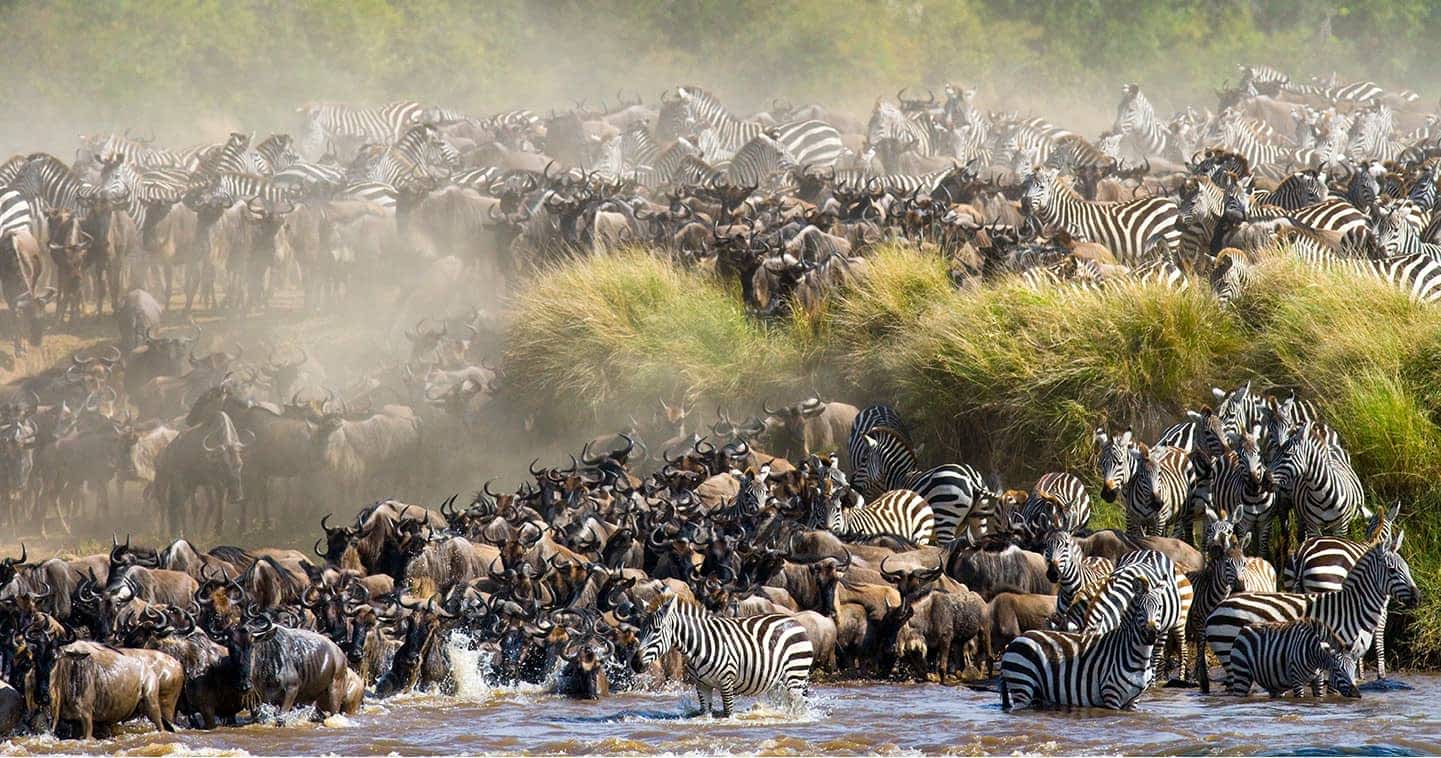
- The Mara River in Kenya and Tanzania is known to be home to many African hippos. They are mostly seen all year round, and during the great wildebeest migration, during the spectacular river crossings.
- Kruger National Park in South Africa is one of the best safari destinations in Africa, great for all the Big Five sightings and general wildlife viewing.
- Queen Elizabeth National Park in Uganda is known to host a number of African hippos, especially in the Kazinga Channel.
These destinations provide boat rides to watch hippos in their natural environment.
The Role of the African Hippo in the Ecosystem
The African hippo maintains the balance of the ecosystem. Their dung in water habitats provides nutrients that support fish and other aquatic life. By grazing, they help in trimming the tall grasses, preventing them from overgrowing and promoting biodiversity.
However, when hippo populations are too large in one area, they can overgraze and damage the environment. This is why conservation management is important to keep the balance between hippos and their habitats.
Conclusion
Book today your African safari with Fania Adventures Tours, come see the African hippo is one of the fascinating, powerful and one of the African wild beauty animals in Africa. From its massive size and unique lifestyle to its important role in ecosystems, the African hippo continues to capture the attention of people around the world.
The African hippo is found across sub-Saharan Africa despite it being listed as vulnerable. Supporting conservation efforts by visiting hippos in national parks and reserves, to help protect this incredible species for future generations.