The African savannah is home to many wildlife species, the Cape buffalo is one of them, spotted during Africa safari tours with Fania Adventures Tours. The Cape Buffalo, also known as Syncerus caffer, is one of the “Big Five” animals of Africa. Other Big Five in Africa are: lions, leopards, elephants, and rhinos. They are some of the most sought-after animals during Fania Adventures Tours safaris. The hunters and safari goers know it as a strong, unpredictable, and determined animal.
The Cape buffalo is easily identified by its black or dark brown coat, depending on the age, and is known for its strength. It is similar to the domestic cow, but it has large, curved horns.

Physical features of the Cape Buffalo
The Cape buffalo is one of the largest members of the bovine family. A mature male Cape Buffalo is known as a bull; it has a weight of between 500 and 900 kilograms (1,100 to 2,000 pounds), while female Cape buffaloes are slightly smaller, weighing around 400 to 700 kilograms. Their body ranges from 1.7 to 3.4 meters in length from head to tail, and they stand about 1.0 to 1.7 meters tall at the shoulder.
The striking feature of the Cape buffalo is its huge and curved horns. The horns in male Cape Buffalo look like a shield and have a structure at the base called a “boss.” This boss is the hard part of the horns, and it is so strong that even bullets struggle to penetrate it. The Cape Buffalo uses their horns for defense.
Their coat color varies with age from brown to black, and their strong, muscular body. The Cape buffalo has not been tamed, unlike the domestic cow; this is because of its wild, untamable spirit.

Cape Buffalo Habitat
The Cape buffalo is widely found across sub-Saharan Africa, from the Maasai Mara National Reserve in Kenya, Serengeti National Park in Tanzania, to Kruger National Park in South Africa. They live in forests and grasslands in Africa. These habitats provide water, grass for grazing, and protection from the hot African sun.
They need to drink water every day, and water is very important to the cape buffalo; that is why they are usually found near rivers, lakes, and swamps. This close relationship with water also helps them cool off and avoid overheating in the African heat.
Cape buffalo are found in countries such as Kenya, Tanzania, Uganda, South Africa, Botswana, Zimbabwe, Zambia, and Mozambique, and other parts of Africa.

Social Structure of the Cape buffalo
The Cape buffalo is a social animal; they live in herds ranging from a few to several thousand. They stay in herds to keep away predators, preying on the young and the weak.
In their social structure, the herd is made up of females and calves at the centre, while males may either stay within the herd or form bachelor groups. Some bulls sometimes leave the herd to live on their own, often referred to as “dagga boys.” These bulls are considered more dangerous because they are easily provoked and unpredictable.The Cape buffalo communicates through sounds such as grunts, snorts, and makes low calls to warn others of danger or to signal its members to move closer to the herd. They also use body language and smell to pass a message. They are one of the most organized grazers in Africa.

Diet and Feeding Habits of the Cape Buffalo
The Cape buffalo is a grazer; it has a wide mouth and strong teeth, which allow it to graze through large amounts of vegetation every day. When the grass is scarce, the Cape buffalo feeds on shrubs and herbs, especially during the dry season.
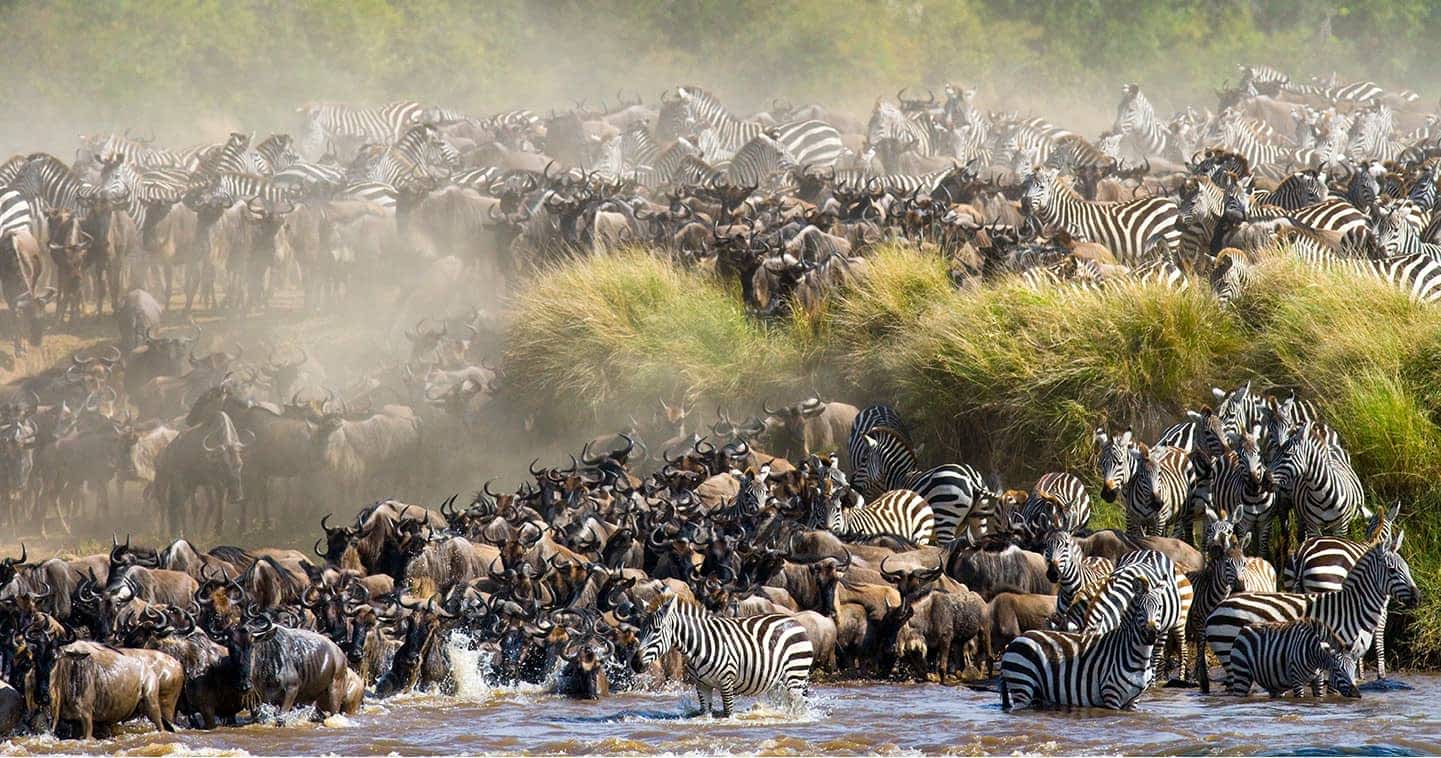
They impact their habitat because they feed in large groups. The Cape buffalo help shape the landscape by creating open spaces that benefit other grazers like zebras, antelopes, and wildebeest through grazing.
Reproduction and Life Cycle
The Cape buffalo has a lifespan of 11 years, with the maximum recorded lifespan being 29.5 years, but it lives on average for 16 years. Female Cape buffaloes reach sexual maturity at around 5 years, while males mature after four to six years. The cape buffalo only mates and gives birth during the rainy season when food is plentiful. The gestation period of the cape buffalo is about 11 months, and a single calf is born.
The calf is born reddish-brown in colour, and it can stand on its own after a few minutes. It is constantly guarded by its mother and the herd for protection. Mothers are very protective of their young, and the entire herd will surround the calves when threatened by predators.
Calves are weaned after 6 to 12 months, but they stay with their mothers until another calf is born. The mother will isolate the other calf with horn jabs. Females reach maturity at around 4 to 5 years old, while males mature later, at around 7 years.

Predators and Threats
Despite their size and strength, Cape buffalo face many dangers in the wild. Lions hunting them in coordinated groups are their main predators. However, Cape buffalo are not easily preyed upon. They form defensive circles around calves when threatened by predators, and they have even been seen rescuing members of the herd from lions. You have seen or heard of stories of Cape buffalo turning the tables and chasing lions away when they are attacked.
Other Cape buffalo predators are the crocodiles and hyenas, which target their calves or choose to attack the weak buffalo. However, the biggest threat to Cape buffalo today is not predators but humans. Human activities have destroyed their habitat due to farming, cattle diseases, and poaching.
Role in Ecosystem
The Cape buffalo prevent grass from overgrowing through grazing during the day and night, which helps other animals access fresh vegetation, and when buffaloes pass through swamps and grasslands, they create water paths and small channels that benefit smaller animals.
In addition, Cape buffalo are preyed on by lions and other large predators; they are an essential part of the food chain, though not easy to hunt.
Cape Buffalo and Humans
The Cape buffalo has always had a complicated relationship with humans. The Cape buffalo is seen as a symbol of strength, resilience, and bravery in many African cultures. The warriors and hunters admired it for its courage and fighting spirit.
The Cape buffalo is also one of the most dangerous animals in Africa; the hunters have even nicknamed it “Black Death” because it is responsible for more injuries and deaths of hunters than any other wild animal. When wounded or threatened, a Cape buffalo will charge with speed and use its huge horns to make deadly attacks on the target.
On a more positive side, Cape buffalo are a major attraction in safari tours in Africa. Safari visitors travel from all over the world to see the Big Five, and the Cape buffalo is one of the members. The park gate collections in the national parks and private conservancies help generate income for local communities through tourism.
Conservation Status
The Cape buffalo is listed as Near threatened in the International Union for Conservation of Nature (IUCN). This means that their populations are healthy in many parts of Africa.
Fascinating Facts About Cape Buffalo
They live in Herds: Cape buffalo live in herds, which can be few to large herds.
Cape Buffalo Memory: They are believed to remember people and predators who harmed them.
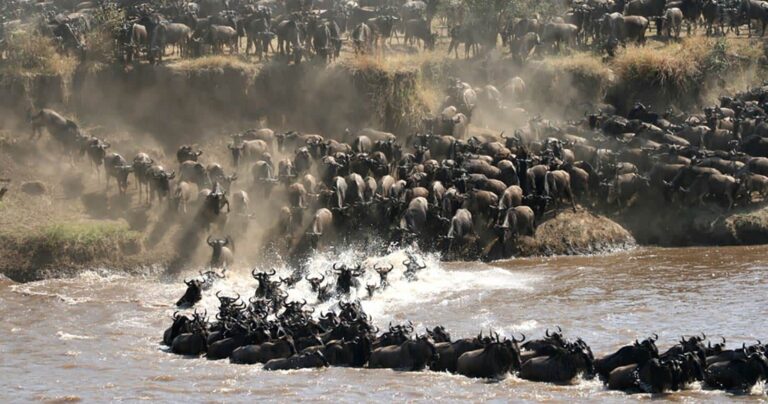
Good Swimmers: They can swim across rivers and swamps with ease despite their huge body sizes.
Lifespan: The Cape buffalo in the protected parks and reserves can live up to 20 years.
It is a dangerous animal: The Cape Buffalo is responsible for more deaths in Africa than lions or elephants.
Why the Cape Buffalo is Special
The Cape buffalo is one of the Big Five animals in Africa. It is not only a large animal grazing in the African grasslands, but it is also one of the most sought-after animals during game drives. Visit Various safari destinations in Africa to see this member of the big five. Fania Adventures tours safari lovers enjoy seeing a herd of Cape buffalo moving across the plains during game drives.
The Cape buffalo highlights the African safari; it reminds us that nature is all about beauty, strength, and survival. The Cape buffalo continues to thrive in the African wild.
Conclusion
The Cape buffalo (Syncerus caffer) always stands out as one of the iconic animals in Africa. It is powerful, has social bonds, and fierce defense against predators, making it both fascinating and fearsome. Fania Adventures tours visitors enjoy seeing the vast herds in the Serengeti National Park, the lone “dagga boys” in the swamps of the Okavango Delta, and the Cape buffalo remains a symbol of the African wild.