There's a moment on almost every first safari, somewhere between a herd of elephants at Amboseli and a sky gone impossibly orange, when a traveler realizes they didn't come far enough the first time. A $10,000 budget is how you make sure that moment happens on this trip.
At Fania Adventures Tours, we often work within this budget range. It's enough to skip the compromises of shoestring travel, long shared transfers, basic camps and rushed itineraries, and build something closer to what you pictured when you decided to come to Kenya: private guiding, comfortable lodges, and pacing that lets you actually be present for it. A solo traveler can put together a fully private, partly fly-in itinerary lasting 7 to 10 days. A couple sharing costs can stretch the same budget across 12 to 15 days, blending road transfers with the occasional bush flight.
But $10,000 doesn't spend itself wisely on its own. Knowing where the money goes, and which rules and seasons affect that spending, is what separates a smooth, memorable trip from a stressful one. Here's what to look out for, and how we help our travelers make the most of every dollar.

Where Your Money Actually Goes
Accommodation is the single biggest line item on any safari, typically 30% to 50% of the total budget. Lodges inside national parks or private conservancies put you steps from the wildlife, but that convenience carries a premium. Peak-season rates often run $400 to $1,500 per person, per night. Staying just outside a park in a comfortable eco-tent stretches the budget considerably further, and it's one of the first trade-offs our travel consultants walk clients through.
Transport is the next major decision: time versus money. Our private 4x4 Safari Land Cruisers run $200 to $250 a day and split well between two or more people, with pop-up roofs built for unobstructed photography. Domestic bush flights out of Nairobi's Wilson Airport cut travel time dramatically, $150 to $350 per leg per person, though they carry a strict 15kg soft-bag luggage limit. Many of our popular itineraries, like Treasure of the Wilderness & Beach, use exactly this hybrid: road-based game drives paired with a charter flight to the coast.

Then there are the costs first-time visitors tend to underestimate: park conservation fees, charged per person per day and non-negotiable. Budgeting $1,000–$1,800 for fees over a 10–14-day trip is realistic, and it's the kind of detail we build into our package pricing upfront, rather than leaving it as a surprise add-on later.
What Park Fees Actually Cost

Fees vary by park and season, and a few details rarely show up in headline pricing:
- Maasai Mara National Reserve: $100 (low season) to $200 (high season) per adult, billed per 12-hour day (6 am–6 pm), so overnight stays inside the reserve can mean paying for two calendar days.
- Amboseli National Park: $94–$100, billed on a 24-hour cycle from entry time, not the calendar day.
- Tsavo East and West: flat year-round at $80.
- Private conservancies like Ol Pejeta ($110 flat) or Lewa ($126–$130): pricier, but typically fewer vehicles and a quieter experience.
These fees stack on top of lodge rates. It's one reason travelers booking through an established local operator tend to come out ahead when fees are itemized transparently into a package; there's no markup surprise waiting at the end.
Timing Your Trip to Your Budget
When you travel changes both the cost and the experience:
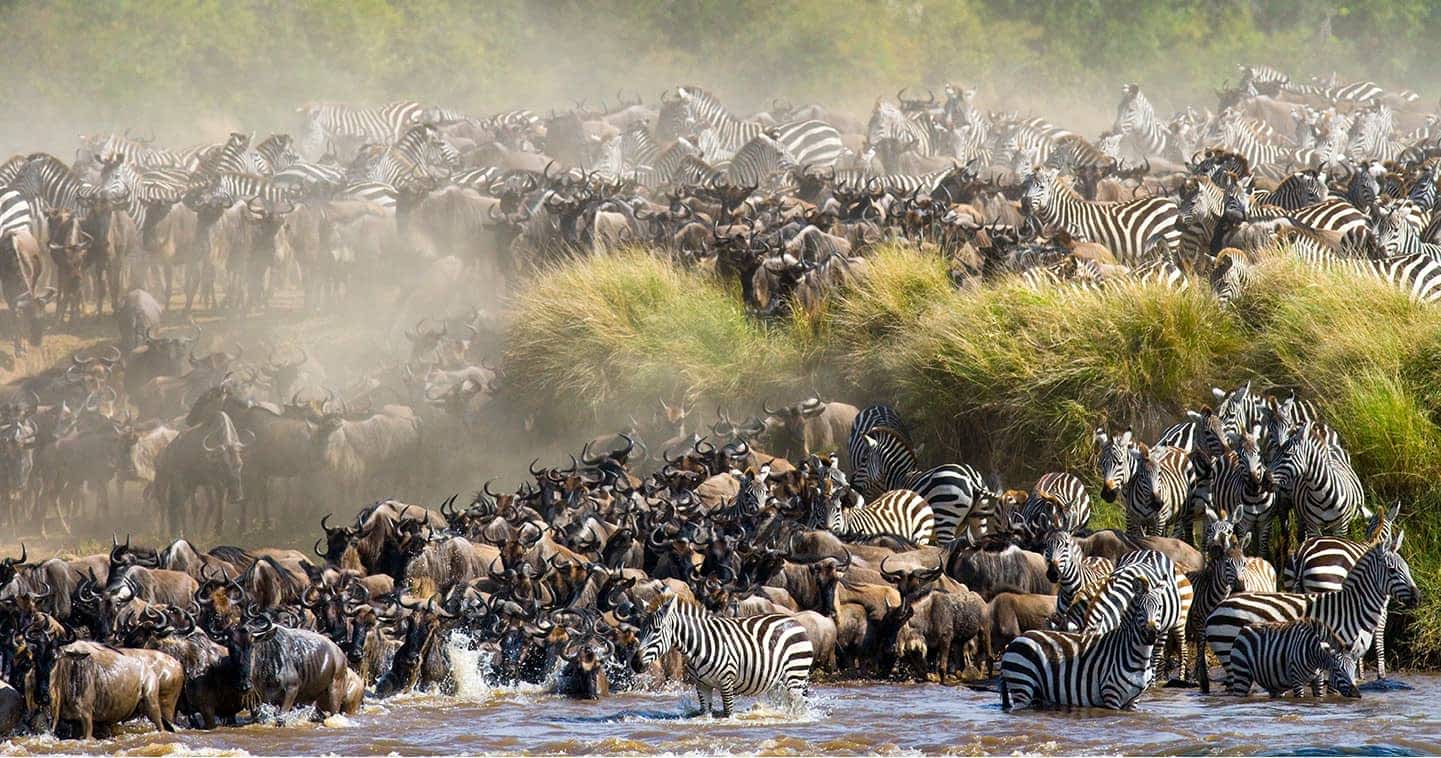
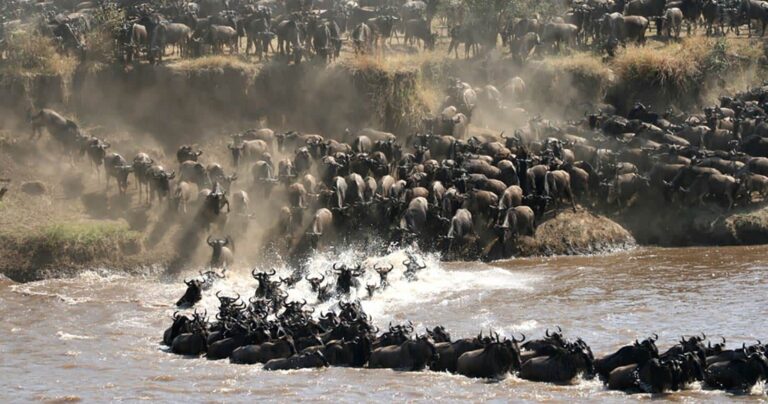
- July–October (peak migration): The wildebeest river crossings happen here; spectacular, but Mara fees double to $200/day and lodges charge peak rates. Book months ahead.
- April–June (green season): More rain, but luxury lodges drop rates up to 40%, and Mara fees fall to $100. Crowds thin out considerably. This is where a $10,000 budget stretches furthest.
- January–February (dry shoulder season): Excellent visibility, clear Kilimanjaro views from Amboseli, moderate pricing, fewer vehicles at sightings.
Our team can match your travel window to the experience you want. Whether that's the drama of the crossings or the quiet, value-rich beauty of the green season.
Rules That Can Catch You Off Guard in 2026

A few 2026 regulations are worth knowing, and exactly the kind of logistics our consultants handle on your behalf:
- Cash doesn't work at park gates anymore. Since 2024, KWS parks require digital payment via the eCitizen portal's GavaPay system.
- Bring physical ID. Original passports or resident IDs are required; digital copies are frequently rejected.
- No single-use plastics inside parks and reserves.
- Drones are essentially off-limits without KCAA and KWS permits, which run around $300/day.
- Keep your distance. A 25-meter approach rule applies to wildlife, and quiet is expected during game drives.
Extras Worth Budgeting For
Beyond lodging, transport, and fees, a few optional experiences come up often enough to plan for:
- Hot air balloon safari over the Mara: $450–$650 per person, plus a $50–$80 landing fee — a sunrise flight and champagne bush breakfast is one of our most-requested add-ons.
- Maasai village cultural visit: $20–$50 per person, supporting local communities and artisans directly.
- Tipping: $10–$20/day for your driver-guide, $5–$10/day for lodge staff.

How Fania Builds a $10,000 Itinerary
This is where our tailor-made packages do the heavy lifting.kenya-safari-adventure-9-days (from $8,299 pp, 9 days) anchors a trip around Meru National Park, Liosaba Conservancy and Maasai Mara with Maasai cultural visits woven in — leaving budget for a lodge upgrade or extra coastal days. 7 Days Nairobi-Laikipia & Maasai Mara Safari (from $6,847 pp, 7 days) covers multiple iconic parks with high-end partner lodges, leaving room in a $10,000 budget for a balloon flight or vehicle upgrade.
Every itinerary starts from one of these foundations and gets customized; accommodation tier, vehicle vs. fly-in mix, extra days, add-ons, until it fits both your budget and the experience you're after.
Why Plan This With Fania
A $10,000 safari has a lot of moving parts: park fees that shift by season and reserve, flight legs with strict luggage limits, cashless payment systems, and timing decisions that affect both cost and what you'll see. We handle that complexity daily and transparently, itemizing costs rather than burying them in markups, as overseas agents often do.
We partner with AMREF Flying Doctors for emergency medical evacuation coverage. Whether you're traveling solo, as a couple, or bringing three generations along, our consultants tailor itineraries to make sure every dollar of that $10,000 works as hard as it can.
Ready to see what your $10,000 can build? Get in touch with our travel consultants and let's start designing your custom Kenyan adventure.