Volcanoes National Park
Rwanda Destination

Volcanoes National Park

Home Of Mountain Gorillas

Explore Rwanda

Volcanoes National Park: forest beneath the Virunga peaks

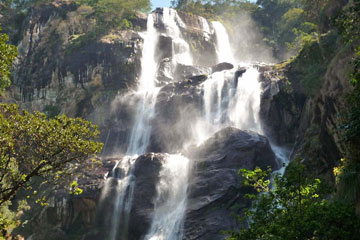
In northwestern Rwanda, a chain of volcanoes rises above farms, villages and cloud-draped forest. Volcanoes National Park protects Rwanda’s section of the Virunga massif, a high-altitude landscape where bamboo, montane forest and open heath change with elevation. The park is internationally known for mountain gorilla tracking, but the experience begins well before an encounter: in the cool morning air, the sight of volcanic slopes and the understanding that this is a carefully protected habitat shared with local communities.

The park is often approached through Musanze and the Kinigi area. Its mountain setting can feel surprisingly different from other parts of Rwanda. Rain can arrive quickly, trails may be slippery and vegetation is dense. Travellers who allow time for the area beyond a single trek often gain a fuller sense of its landscape and conservation history.

Explore Volcanoes National Park Safaris
Volcanoes National Park scenery
CountryRwanda
Protected areaDestination
Destination guideWildlife & experiences
Plan a visitCustom safari enquiries
Discover the destination

Why visit Volcanoes National Park?

Mountain gorilla tracking

Tracking habituated mountain gorilla groups is the park’s signature experience. Visitors join a guided, regulated excursion with park staff and trackers. The route depends on where a group has moved, which means the length and difficulty of the walk cannot be guaranteed in advance. One day might involve a relatively manageable forest ascent; another could require a steeper, muddier effort through thick growth.

A gorilla sighting is an extraordinary privilege, not an unrestricted wildlife encounter. Park authorities control group sizes, visiting rules and viewing time to protect the animals. Guests must follow instructions about distance, noise, photography and what to do if a gorilla approaches. People who are ill should not participate in close primate visits because human diseases can threaten gorilla populations. Current health requirements and permit conditions must be confirmed before departure.

Permits are limited and should be arranged through the official system or an authorized tour operator. Do not plan a trip around an assumed permit price or availability: both must be verified for the intended date. Photography should never take priority over the directions of the tracking team.
Golden monkeys and other forest life

The bamboo belt also supports golden monkeys, a distinctive primate with lively group behaviour and warm-coloured fur. Guided golden monkey tracking offers a different forest experience from gorilla visits and can be worthwhile for travellers with an additional morning. Sightings and walking conditions depend on animal movements and trail conditions, and the activity must be arranged through approved channels.

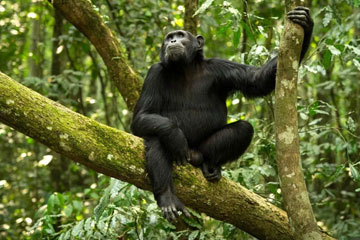
Birds, plants and smaller forest creatures deserve attention too. The park’s altitudinal habitats create variation over short distances, from tangled lower forest to more open highland vegetation. A guide can help visitors notice the ecological details that are easily missed when all attention is focused on gorillas.

Hikes, crater landscapes and conservation history

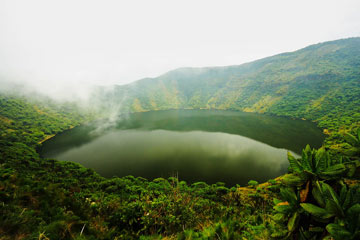
Visitors interested in the volcanic setting may investigate authorized guided hikes, including routes associated with Mount Bisoke or the higher Mount Karisimbi. These are not casual strolls. Elevation, weather and terrain can make the climbs physically demanding, and the choice of route should match the visitor’s fitness and the conditions on the day. Available trails, guide requirements and any overnight provisions should be confirmed directly with park authorities.

Volcanoes is also closely associated with the history of mountain gorilla research and protection. Dian Fossey’s work brought global attention to the gorillas of the Virunga region, while present-day conservation involves Rwandan institutions, researchers, guides and surrounding communities. Discussing that history alongside today’s management provides a more rounded understanding than treating the park only as a wildlife checklist.

Building Volcanoes into a Rwanda itinerary

Many itineraries combine the park with Kigali, Lake Kivu or another protected area. Volcanoes is especially complementary to Akagera’s savannah drives and Nyungwe’s rainforest trails: each reveals a different part of Rwanda’s ecology. If travelling for a special gorilla encounter, schedule permits before committing to non-refundable arrangements and leave reasonable space around transfers.

The most rewarding visits treat Volcanoes as a living, protected mountain ecosystem. Respecting trail instructions, neighbouring communities and conservation rules is part of what makes it possible for future visitors to experience this remarkable forest.

Before you travel

Planning your visit

Practical preparation for a forest visit

Strong walking shoes with grip are essential. Long trousers, a lightweight waterproof layer and protection for hands and lower legs can make a substantial difference when passing through wet vegetation. Trails can be steep and muddy in any season, so do not assume that a drier month means dry ground. Carry water and keep personal equipment securely packed against rain.

Staying near the departure area can make early morning arrangements easier, but exact meeting instructions come from the operator or park authority. Discuss mobility needs and realistic hiking limits in advance; tracking teams make operational decisions based on animal location and conditions. The possibility of a physically difficult trek should be part of planning, not an unpleasant surprise on the morning.

Plan your journey

Plan your Volcanoes National Park safari

Tell us what you would like to experience and we'll help plan a route that suits your trip.

Enquire Now
WhatsApp Email Us