Nyungwe National Park
Rwanda Destination

Nyungwe National Park

A Chimpanzee Trekking In Nyungwe Forest

Explore Rwanda

Nyungwe National Park: Rwanda’s highland rainforest

Nyungwe occupies a sweep of mountainous rainforest in southwestern Rwanda. The road through the landscape passes tea-growing country and wooded hills before entering a world of dense vegetation, steep valleys and changing mist. Unlike the open spaces of Akagera or the volcanic bamboo slopes of Volcanoes National Park, Nyungwe asks visitors to slow down and pay attention to the life of the forest itself.

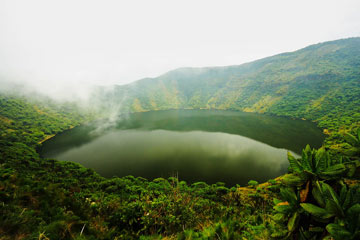
The park is known for primates, rich birdlife and a network of guided walking routes. Its appeal is not based on dramatic wildlife sightings alone. Ferns, orchids, towering trees, birds calling from the canopy and sudden views over wooded ridges make an ordinary morning walk memorable even when larger animals remain out of sight.

Explore Nyungwe National Park Safaris
Nyungwe National Park scenery
CountryRwanda
Protected areaDestination
Destination guideWildlife & experiences
Plan a visitCustom safari enquiries
Discover the destination

Why visit Nyungwe National Park?

Chimpanzee tracking in Nyungwe

Chimpanzee tracking is one of Nyungwe’s most sought-after activities. These intelligent primates live in communities and move widely as they search for food. A guided tracking excursion involves listening, following signs and walking along forest paths that can be muddy or steep. Their movements determine how an outing unfolds, and sightings are not guaranteed.

Chimpanzee encounters differ from gorilla tracking. Animals may call from the treetops, move quickly through branches or travel through vegetation that prevents a clear view. Travellers should approach the outing as a chance to observe wild behaviour rather than expecting posed photographs. Guides explain the applicable viewing rules, and visitors should follow directions about distance, noise and disease prevention around primates.

Because excursions often begin early and require permits or advance arrangements, confirm the designated meeting location, start time and current booking requirements before leaving accommodation. A reasonable level of fitness, good footwear and flexibility are valuable.
Canopy walkway and forest trails

Nyungwe’s canopy walkway offers a different view of the rainforest, suspended above a wooded ravine and reached on a guided walk. Looking across the canopy reveals the scale of the forest and the layers of vegetation that cannot be appreciated from the road. The experience can feel exposed for people uncomfortable with heights, so discuss this before booking.

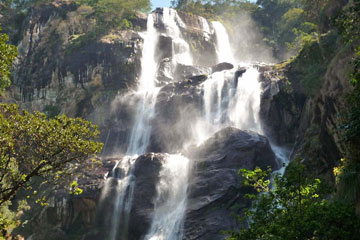
The walkway is associated with the Igishigishigi trail, while the park has other guided paths ranging from shorter interpretive walks to more demanding hikes. The Karamba area is known for birding opportunities; other routes lead through tall forest, along ridges or toward waterfalls. Names, access points, trail availability and current difficulty ratings should be checked when planning, rather than relying on an old route description.

Trail conditions are highly weather-dependent. Even after a bright morning, a section under forest shade may remain slippery. Hiking poles, a rain jacket and time to walk at a comfortable pace make the experience more enjoyable.

Birdwatching and quieter encounters

Nyungwe is important for forest birds, including species associated with the Albertine Rift. Birdwatching here is often an exercise in patience: birds may be heard before they are seen, and the canopy can conceal even active flocks. An experienced local bird guide can help distinguish calls and identify the habitats where particular groups are most likely to occur.

Black-and-white colobus monkeys are among the primates visitors may encounter, alongside other monkeys inhabiting the forest. Sightings can happen unexpectedly on a hike, though anyone focused on primates should choose suitable specialist activities rather than treating chance encounters as certain.

Why the forest matters

Nyungwe is an ecological stronghold in a country with intensive cultivation and a long history of land-use change. Its forest contributes to biodiversity conservation and to the protection of watersheds. Looking beyond the individual trail helps explain why well-managed tourism, forest protection and relationships with neighbouring communities matter.

The park’s UNESCO World Heritage inscription in 2023 also recognises the significance of its natural heritage. A visit is therefore as much about a protected forest landscape as it is about any single experience.

Before you travel

Planning your visit

How to plan your stay

Nyungwe deserves time. A rushed stop for the canopy walkway barely introduces its different habitats, while an additional day creates room for a specialist bird walk or another guided trail. Driving distances across Rwanda can look short on a map yet take longer through winding highland roads. Confirm travel time to the correct visitor meeting point before booking a morning activity.

There is no wholly dry guarantee in rainforest. Carry water, weather protection, sturdy shoes and a secure bag for electronics. Visitors should book regulated excursions through authorized channels, remain with guides where required and respect wildlife-viewing rules. Combining Nyungwe with Lake Kivu or Kigali allows a varied journey without assuming that every attraction fits comfortably into one day.

Plan your journey

Plan your Nyungwe National Park safari

Tell us what you would like to experience and we'll help plan a route that suits your trip.

Enquire Now
WhatsApp Email Us