Mount Kenya Wildlife Conservancy
Kenya Conservancy

Mount Kenya Wildlife Conservancy

Mountain bongo recovery and wildlife conservation near Nanyuki

Explore Kenya

A conservation destination rather than a game-drive park

Mount Kenya Wildlife Conservancy is associated with the recovery of the critically endangered mountain bongo, a forest antelope found naturally in Kenya's highland ecosystems. Located in the Nanyuki area, it is a very different visitor proposition from a large savannah safari reserve. Its value lies in conservation work, breeding and rewilding efforts, and the opportunity to learn about the threats facing specialist mountain wildlife. Visitors should not arrive expecting a Big Five drive or unrestricted encounters with captive animals. The centre's conservation purpose should guide how the page introduces the destination.

Explore Mount Kenya Wildlife Conservancy Safaris
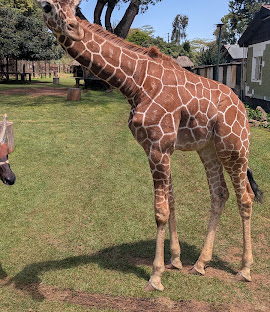
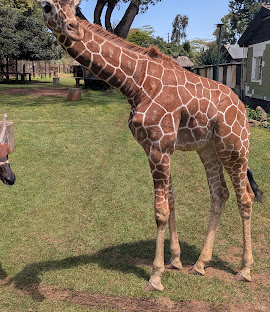
Mount Kenya Wildlife Conservancy scenery
CountryKenya
Protected areaConservancy
Destination guideWildlife & experiences
Plan a visitCustom safari enquiries
Discover the destination

Why visit Mount Kenya Wildlife Conservancy?

Why mountain bongos matter

Mountain bongos depend on forest habitat and have faced severe pressures from habitat loss, historic hunting and other threats. Their recovery requires careful animal management alongside protection of the forest ecosystems into which they may be reintroduced. The conservancy's breeding work is part of a broader partnership involving wildlife authorities and conservation specialists. Recent planning has included a national recovery and action framework for the species. This is a long-term undertaking, so milestones should be presented in context rather than as guarantees of when animals will return to particular forests.

Animal care, rehabilitation and education

Beyond the bongo programme, the conservancy describes animal rescue and rehabilitation activities as well as community conservation education. These programmes can help visitors understand how human activity, land use and animal welfare intersect. Access to animal facilities, guided learning sessions or other encounters should be confirmed with the conservancy. A responsible visit keeps animal wellbeing ahead of photography, and guests should follow all instructions on distance, noise, feeding and movement. No page should promise opportunities to touch, feed or closely approach wildlife unless the operator explicitly allows them.

Putting conservation at the centre of the itinerary

Mount Kenya Wildlife Conservancy fits particularly well into an educational or conservation-oriented journey. It can provide a meaningful counterpoint to wildlife watching in Laikipia or a visit to Mount Kenya's mountain scenery. Fania can help plan a route that respects the conservancy's operating arrangements and includes other experiences only when appropriate. The point of visiting is to understand a difficult conservation challenge and the people working on it, not to treat a breeding programme as a conventional wildlife attraction. That distinction makes the guide more useful and accurate.

Before you travel

Planning your visit

Planning a visit from Nanyuki

The conservancy is near Nanyuki and can suit travellers already exploring Mount Kenya or the Laikipia region. It is still important to check opening arrangements, availability of guided visits, group requirements and any entry charges directly. Those details may change with programme activity or animal care needs. Allow more than a brief photo stop if the visitor experience includes educational interpretation. Travellers who want a classic safari as well can combine the visit with an appropriate nearby protected landscape, but transfers and entrance rules need to be confirmed separately.

Seasonality and suitable expectations

The Nanyuki and Mount Kenya foothill setting can have cool mornings, rain and changing mountain conditions. A visit may be valuable in several seasons because its core focus is conservation rather than a narrowly timed migration. Comfortable walking shoes and weather-appropriate clothing are sensible, subject to the conservancy's visitor advice. People travelling with children, school groups or accessibility requirements should ask which areas and activities are suitable. Research and animal care needs may influence what is open to visitors on any particular day.

Through the lens

Gallery

Plan your journey

Plan your Mount Kenya Wildlife Conservancy safari

Tell us what you would like to experience and we'll help plan a route that suits your trip.

Enquire Now
WhatsApp Email Us