Lake Nakuru National Park
Kenya Destination

Lake Nakuru National Park

Explore Kenya's Incredible Lake Nakuru

Explore Kenya

More than a flamingo lake

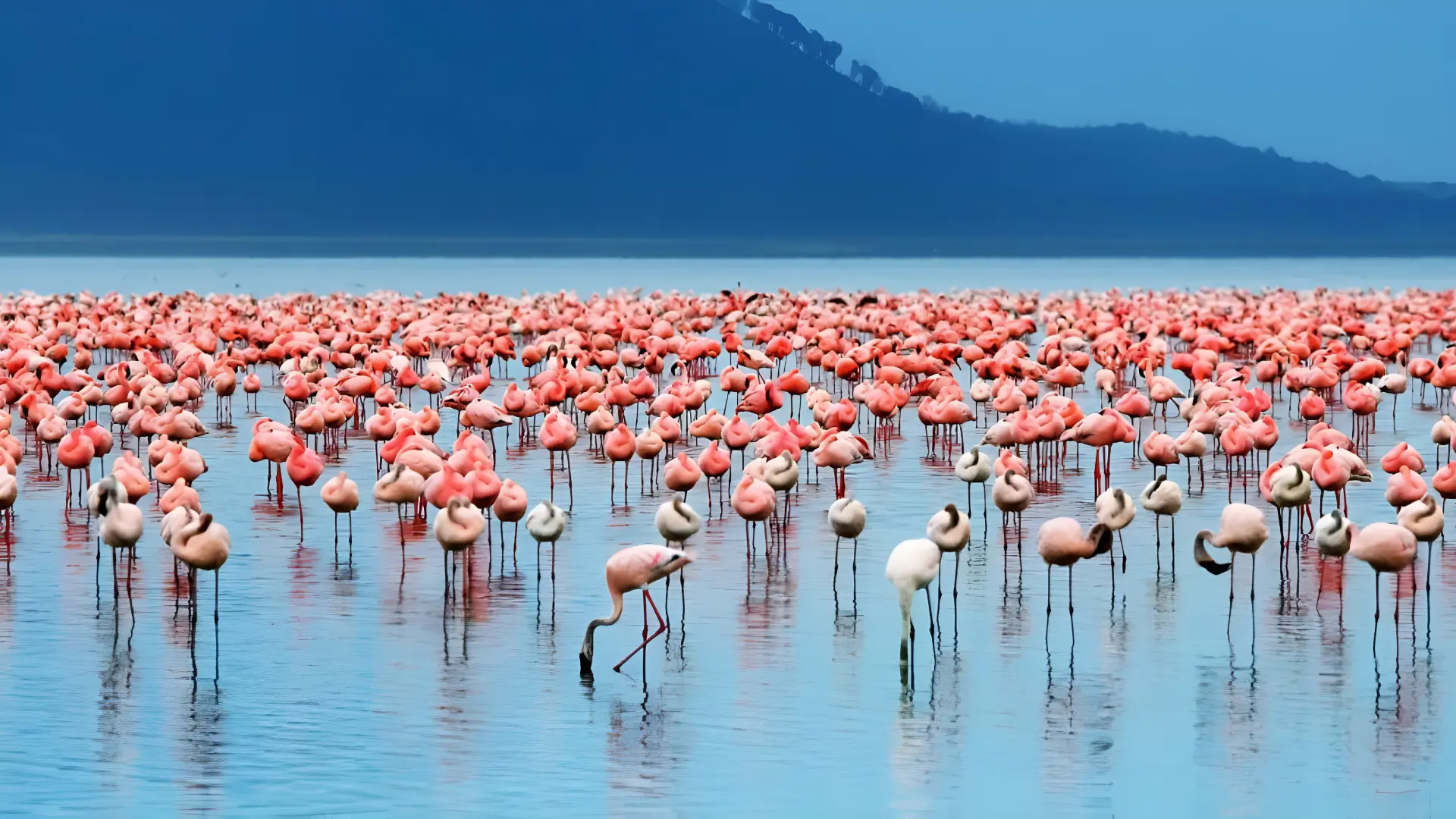
Lake Nakuru is one of the most accessible ways to experience Kenya's Rift Valley wildlife, but the park is sometimes sold with an outdated promise: an unbroken pink shoreline of flamingos. The lake has changed in depth and chemistry over time, affecting the algae and feeding conditions on which flamingo numbers depend. Birds may be present in impressive numbers, in smaller groups or elsewhere. Rather than plan your entire visit around one photograph, come for the combination of lake, wooded slopes, grassland and protected wildlife.

The protected area surrounds the water and includes acacia woodland, open areas and elevated viewpoints. This variation matters because game drives can reveal very different scenes within the same park. It is particularly useful for travellers who want birdwatching and mammal viewing in a relatively compact itinerary.

Explore Lake Nakuru National Park Safaris
Lake Nakuru National Park scenery
CountryKenya
Protected areaDestination
Destination guideWildlife & experiences
Plan a visitCustom safari enquiries
Discover the destination

Why visit Lake Nakuru National Park?

Rhinos, other wildlife and birdlife

Lake Nakuru's rhino conservation role deserves as much attention as its bird history. Kenya Wildlife Service identifies it as the country's first rhino sanctuary, supporting both black and white rhinos. Their visibility varies with habitat and animal movement, and visitors should never be guaranteed an encounter. You may also see buffalo, giraffe, antelope, zebra and other species along the drive, with predators possible but not assured.

The lake and its margins draw a changing range of waterbirds, while woodland species add interest away from the shore. Pelicans, herons, egrets, fish eagles and other birds make binoculars especially valuable. Good birdwatching here involves looking at multiple habitats rather than treating flamingos as the only worthwhile species.

Viewpoints, waterfalls and a sensible route

Scenic stops and viewpoints help explain the park's shape. Depending on access and road conditions, a route may include elevated views of the lake or a visit towards Makalia Falls. These features make Lake Nakuru appealing even when wildlife is less active. The best drive is not necessarily the one covering the most kilometres; allow time at water edges and woodland clearings rather than moving continuously.

The town of Nakuru is an important gateway, and the park can fit into a wider Rift Valley trip. Travellers sometimes combine it with Lake Naivasha or move onward toward the Maasai Mara. Each combination has trade-offs: adding too many stops can leave little time for a morning wildlife drive. Ask your planner to show the actual travel and park time, not only the number of destinations in the itinerary.

Before you travel

Planning your visit

When to visit and what to know

Lake conditions, weather and vegetation change throughout the year. Wet periods can create lush scenery but affect some internal routes, while drier spells change the visibility of animals and birds. There is no month when every species or flamingo concentration is assured. A good guide adjusts the day's route to current conditions and park notices.

Pack binoculars, a camera, sun protection and a light layer for cooler mornings. Follow instructions about where it is safe to stop or leave the vehicle. Check official entry charges and opening arrangements before departure, especially if the visit is timed around an onward drive. For travellers seeking a Kenya safari with a different emphasis from the open Mara plains, Lake Nakuru offers a strong mix of conservation, landscape and birdlife.

Plan your journey

Plan your Lake Nakuru National Park safari

Tell us what you would like to experience and we'll help plan a route that suits your trip.

Enquire Now
WhatsApp Email Us