Lake Kivu
Rwanda

Lake Kivu

Rwanda’s western lakeshore is a journey of its own

Lake Kivu stretches along Rwanda’s western border, offering lakeside towns, steep hills and a completely different pace from the country’s national parks.

RwandaDestination location
Lakes & landscapesExplore the area
Rubavu: northern gatewayThings to discover
Tailor-made travelPlan with Fania
About Lake Kivu

Lake Kivu: Rwanda’s western shoreline

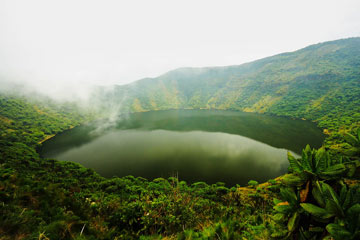
Lake Kivu stretches along Rwanda’s western border with the Democratic Republic of the Congo, bordered by steep green hills, islands and a shoreline that bends around quiet bays. After days spent following mountain trails or wildlife tracks, the lake offers a different way to experience the country. Travellers come here for views across deep water, walks through lakeside towns, boat trips and the slower rhythm of an evening by the shore. It is not one single resort area: Rubavu in the north, Karongi along the central shore and Rusizi in the south each make sense for different itineraries. Choosing the right base matters more than trying to see every section of the lake on a brief visit.

Explore Experiences
Lake Kivu scenery

Top Experiences

Discover the experiences described in our Lake Kivu guide.

Rubavu: northern gateway

Rubavu, also widely known by its older name Gisenyi, lies near the lake’s northern end. Its promenade, waterfront businesses and streets of older buildings make it an approachable place for a short stay. For travellers finishing a visit to Volcanoes National Park, Rubavu can be an appealing change of scene without immediately beginning a long journey across Rwanda. Walking by the water, sitting at a lakeside café or exploring nearby neighbourhoods may be enough for a restful day. The town is also associated with the northern end of the Congo Nile Trail, a route used for walking and cycling through the hills and communities along Lake Kivu. Allow time to understand the route rather than assuming the entire trail is a casual afternoon ride.
Karongi: the lake at a slower pace

Karongi, sometimes called Kibuye, sits amid islands, inlets and steep cultivated hills around the lake’s middle reaches. The shore feels different from Rubavu’s town waterfront: it lends itself to watching fishermen set out, exploring a short stretch of coastline and taking a boat trip when conditions and local services permit. Distant ridgelines frame the water, while small settlements and terraces remind visitors that the lake is also part of daily working life. Karongi suits travellers who want a quieter interval in a longer route, although a scenic setting does not guarantee a particular hotel, boat or activity will be available on the day. Confirm arrangements directly and build flexibility into the plan.

Rusizi and the southern approach

Rusizi is a useful southern gateway for travellers linking Lake Kivu with Nyungwe National Park. It is a working border-area town rather than a replica of the central lake resorts. Its position can make practical sense on a south-to-north or north-to-south journey, particularly when the itinerary includes forest walks and primate tracking in Nyungwe. As with any border region, travellers should follow current official travel advice and any local movement guidance instead of relying on assumptions drawn from older trip reports. Drivers should plan fuel, rest stops and daytime travel carefully along the western routes, where roads wind through hilly terrain and journeys can take longer than map distances suggest.

On the water and along the trail

Kayaking and organised boat excursions are among the ways to experience Lake Kivu at water level. The uneven shoreline and islands create many possible views, including birdlife, small villages and fishing activity. Choose established operators, wear appropriate safety equipment and check weather, wind and local advice before heading out. The absence of some large aquatic animals commonly seen on safari lakes should never be taken as a guarantee that swimming or boating is risk-free. The Congo Nile Trail is another major draw, combining cycling or hiking with changing lake panoramas and cultivated slopes. Visitors do not need to attempt the full multi-stage route to appreciate it; shorter segments can work when the operator, logistics and fitness level suit the party.

A lake in a wider journey

Lake Kivu combines naturally with Rwanda’s western parks but should not be rushed into every itinerary. Travellers visiting Volcanoes National Park might add Rubavu after a demanding trek, while those exploring Nyungwe could use the southern shoreline as a transition between forest and lake. A longer journey can include Karongi in between, with time to stop in villages and enjoy the landscape. The lake has its own cultural life and practical realities, not simply a beach break attached to a safari. Ask permission before photographing fishermen or residents, respect local working spaces and treat shoreline communities as places where people live. With well-paced travel, the reward is the sense of how Rwanda’s water, hills and human activity fit together.

Travel with Fania

Plan your Lake Kivu journey

Tell us your dates and interests; we'll help you plan the right experience.

Enquire Now
WhatsApp Email Us