Kiunga Marine National Reserve
Kenya Reserve

Kiunga Marine National Reserve

A remote stretch of the Lamu archipelago

Explore Kenya

A remote marine landscape north of Lamu

Kiunga Marine National Reserve protects an unusually varied part of Kenya's far northern coastline, near the border with Somalia. Instead of the familiar image of a single white-sand beach, this is an intricate seascape of limestone islands, tidal channels, mangroves, reefs and seagrass beds. The relative remoteness is central to its character. A visit requires careful advance planning and a realistic understanding of sea conditions, local access arrangements and the services available from the Lamu area. For travellers who value natural history, coastal landscapes and carefully organised marine excursions, Kiunga offers a different perspective on Kenya's protected areas.

Explore Kiunga Marine National Reserve Safaris
Kiunga Marine National Reserve scenery
CountryKenya
Protected areaReserve
Destination guideWildlife & experiences
Plan a visitCustom safari enquiries
Discover the destination

Why visit Kiunga Marine National Reserve?

Islands, reefs and mangroves

Kenya Wildlife Service describes a chain of around fifty limestone islands within the reserve's wider environment. Reef patches, seagrass meadows and extensive mangrove stands support interconnected marine life and bird habitats. Mangroves shelter shorelines and provide nursery areas for aquatic species, while seagrass beds are important feeding habitats for marine animals. The distribution of wildlife changes with tide, season and habitat. Visitors should approach Kiunga as a conservation landscape, not as a place where particular rare animals or underwater encounters can be promised.

Wildlife and birdlife

Sea turtles, reef fish and coastal birds are important parts of the reserve's ecological story. Dugongs have been associated with this wider marine environment and are a conservation priority, but sightings should never be advertised as likely. Birds may use sandbanks, rocky islands and tidal flats for feeding or nesting. The most meaningful viewing often comes from patient observation with a knowledgeable local guide, particularly where sensitive nesting areas or fragile habitats require extra care. Keeping distance from wildlife and avoiding disturbance is more important than obtaining a close photograph.

Experiences that respect the coast

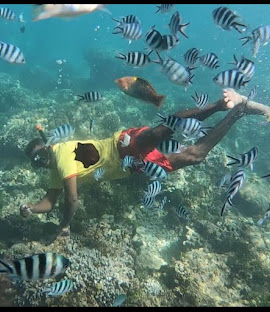
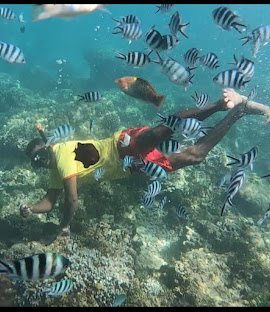
Where conditions and local permissions permit, boat excursions, coastal landscape photography, birdwatching and guided exploration can be rewarding. Some marine activities may include snorkelling, but visibility, tide, currents and appropriate operator support should be assessed before departure. Traditional dhow travel is part of the wider Lamu coast's cultural setting, although not every trip or route is suitable for every visitor. Never stand on coral, collect shells from protected habitats or ask a boat crew to approach nesting birds. In this region especially, low-impact conduct should shape the itinerary from the beginning.

Timing, safety and conservation

Marine weather and tide tables matter as much as the calendar. Boat departures can be affected by wind, swell and visibility, and not every excursion will operate on a given day. Visitors should ask about safety equipment, reliable communications, return arrangements and official travel guidance for northern Lamu County before making commitments. Carry reef-conscious sun protection, drinking water and a way to protect photographic equipment from spray. A carefully managed Kiunga visit should benefit local expertise while treating the reserve's coral, turtle and mangrove habitats as the principal reason to travel.

Before you travel

Planning your visit

Getting there and staying nearby

Kiunga is not a straightforward self-drive park entrance. Kenya Wildlife Service identifies travel connections through Lamu, Manda and onward boat routes toward the northern coast. Exact embarkation points, permits and the feasibility of proceeding farther north should be confirmed with responsible local operators and the relevant authorities before travel. Accommodation options are limited compared with Kenya's established resort beaches. It is sensible to organise transport, guiding, communications and lodging as one coordinated plan rather than booking an isolated boat trip without onward arrangements.

Through the lens

Gallery

Plan your journey

Plan your Kiunga Marine National Reserve safari

Tell us what you would like to experience and we'll help plan a route that suits your trip.

Enquire Now
WhatsApp Email Us