Jozani Forest National Park Mangrove Walk
Tanzania Park

Jozani Forest National Park Mangrove Walk

Zanzibar red colobus monkeys and Chwaka Bay mangrove habitats

Explore Tanzania

A different side of Zanzibar

Jozani–Chwaka Bay introduces visitors to the forests and wetlands that sit behind Zanzibar’s better-known beach images. On Unguja, the protected area includes groundwater forest, coral-rag habitats and mangrove systems associated with the bay. These environments support very different plants and animals within a relatively small landscape. A guided visit is a useful complement to Stone Town or a coastal stay, but the forest should not be treated merely as an obligatory stop for photographs. Its real value lies in showing how island ecology, coastal livelihoods and conservation are connected.

Explore Jozani Forest National Park Mangrove Walk Safaris
Jozani Forest National Park Mangrove Walk scenery
CountryTanzania
Protected areaPark
Destination guideWildlife & experiences
Plan a visitCustom safari enquiries
Discover the destination

Why visit Jozani Forest National Park Mangrove Walk?

The Zanzibar red colobus

The Zanzibar red colobus is the animal most visitors hope to encounter. These monkeys may move through woodland and forest edges, feeding and interacting in the trees, but sightings and viewing distances depend on their location and local guidance. Visitors should avoid feeding, touching or crowding them. A quiet group with a patient guide can observe natural behaviour without surrounding individual animals. The forest also supports birds, smaller wildlife and a mix of plant communities worth noticing. It is particularly rewarding to ask how forest species cope with a landscape shaped by farms, settlements and tourism.

Mangroves are more than a boardwalk

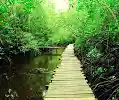
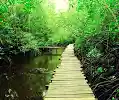
Mangrove roots support coastal processes, stabilize shoreline environments and provide habitat for juvenile aquatic life. Boardwalk sections, where open and authorized, allow visitors to see how the tree roots and tidal conditions differ from the inland forest. The appearance of mudflats and water levels changes with the tide, so the experience will not look identical throughout the day. Stay on designated paths and do not step into delicate mangrove areas for a photograph. Guides can help explain how communities depend on the health of the bay and why protecting these wetlands has practical value beyond tourism.

Conservation and community connections

UNESCO recognizes Jozani–Chwaka Bay as a biosphere reserve, reflecting the relationship between wildlife habitats and the communities living around them. Tourism can provide reasons to maintain forest and mangrove protection, but only when visitors act responsibly and operators respect local rules. Avoid buying products whose provenance suggests damage to protected habitats. Support locally guided visits and follow guidance about photography, group movement and restricted areas. A guided walk can also prompt broader questions about fishing, agriculture and the long-term management of land and water on a populated island.

Pairing Jozani with the rest of Zanzibar

The forest experience contrasts with the architectural heritage of Stone Town, the spice-growing countryside and Zanzibar’s many shorelines. It need not compete with beach time; it gives that beach holiday a more rounded picture of the island. For travellers combining Zanzibar with a mainland safari, leave enough travel buffer for flights or ferries and do not schedule a tight forest visit on the same morning as a critical connection. Check official park operating information and access arrangements shortly before travel. The strongest reason to visit Jozani is to see Zanzibar as a living landscape, not simply a coastline.

Before you travel

Planning your visit

Planning a guided forest visit

Jozani can often be included within a day of exploring Unguja, but journey time depends on which beach or town you are staying in. Ask whether a tour includes a qualified local guide, the forest trail and the mangrove section, since itineraries may vary. A visit focused on wildlife and ecology should allow enough time to listen and observe rather than moving quickly from group to group. Wear comfortable shoes and light clothing suitable for humid conditions. Carry drinking water and mosquito protection, and be prepared for rain even on a generally sunny island holiday.

Through the lens

Gallery

Plan your journey

Plan your Jozani Forest National Park Mangrove Walk safari

Tell us what you would like to experience and we'll help plan a route that suits your trip.

Enquire Now
WhatsApp Email Us