


A country to explore at more than one pace
Egypt's best-known landmarks can fill a short visit, but a rewarding trip makes room for the country beyond its monumental skyline. Cairo is a busy, contemporary capital where ancient sites, lively neighbourhoods and everyday commerce sit close together. Farther south, the Nile links the temple landscapes of Luxor and Aswan. On the Red Sea coast, the rhythm shifts towards the water and desert-backed shoreline. These regions do not feel like interchangeable stops, and trying to see all of them in a few days means spending much of the holiday in transit. Decide first whether your priority is archaeology, urban culture, a river journey or a restful coastal break, then build a route that gives each place some time.
Cairo and the Giza plateau
Cairo offers a layered introduction to Egyptian history. The pyramids at Giza and the Great Sphinx sit on the desert edge of the metropolitan area, while museums and historic districts bring other eras into focus. Site visits work best with an early start, sun protection, drinking water and realistic expectations about crowds and walking. Check current museum locations, exhibits, ticket categories and entry arrangements directly: collections and facilities can change. Away from the monuments, markets, older streets and the Nile waterfront show a city that is lived in rather than preserved for visitors. A thoughtful city day might combine one major heritage site with a slower neighbourhood visit and a meal, rather than rushing between distant attractions.
Luxor and the ancient Nile valley
Luxor is one of Egypt's great concentrations of archaeological places. On the east bank are Karnak and Luxor Temple; on the west bank, the Valley of the Kings and other monumental sites speak to the burial practices and power of ancient rulers. Different tombs may have separate access arrangements and conservation restrictions, so an admission ticket should not be assumed to include every interior. The terrain can be exposed and hot, especially in warmer months. An experienced licensed guide can give context to the symbols and historical periods without reducing them to a sequence of photo stops. Allow breaks and do not touch paintings or stone surfaces, however tempting the details may be.
Aswan and Abu Simbel
The atmosphere changes around Aswan, where granite, river islands and Nubian cultural heritage shape the landscape. A boat excursion, when conditions allow, can bring a different perspective to the Nile, while local visits deserve the same respect as any community encounter. South of Aswan, Abu Simbel contains the rock-cut temples associated with Ramesses II and Queen Nefertari. These monuments were relocated in an international conservation effort when the Aswan High Dam threatened their original setting. A visit requires careful transport planning, especially if making a long road journey; do not treat it as a casual detour. The Egyptian Ministry of Tourism and Antiquities publishes information about the site and its historical significance.
Red Sea coast and desert settings
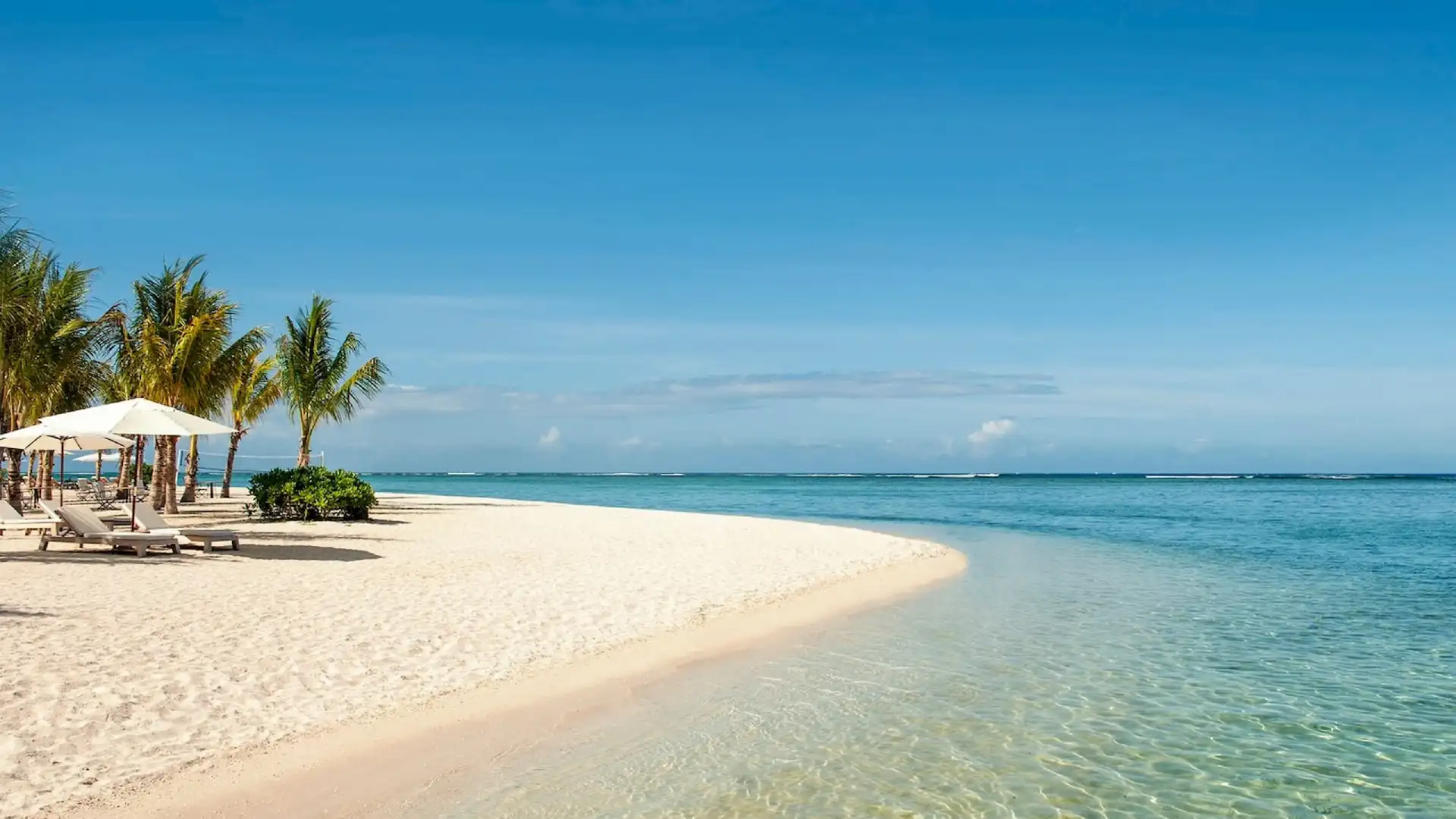
Egypt's Red Sea destinations offer a contrasting holiday based on beaches, marine outings and coastal facilities. Hurghada and the wider shoreline have different resort and town settings, while areas farther south attract visitors interested in reefs and diving. Choose water activities according to training, weather and actual operator standards. Coral should never be touched or stood on, and wildlife encounters are never guaranteed. Beach access, boat departure points and permitted activities vary by property and protected area. The desert is another important part of the wider landscape; excursions there require competent operators, weather awareness and an understanding of distances. A coastal extension can provide welcome breathing space after a demanding heritage circuit.
Choosing the season and moving between regions
Egypt covers large distances and climate conditions differ between the Mediterranean coast, desert interior and Red Sea. Cooler months can make extensive archaeological walks more comfortable, while summer heat requires particular care around open-air sites. Domestic flights, rail services and road transfers can connect major regions, but timetables and journey times should be verified before booking. A Nile cruise is one way to travel between river destinations, though routes, sightseeing schedules and inclusions differ considerably. Some travellers will prefer independently paced stays with day excursions. Whichever approach you choose, leave sufficient connection time and avoid planning a critical international departure immediately after a long overland journey.
Travel with curiosity and care
Clothing suited to heat, comfortable walking shoes and respect for local customs are useful throughout Egypt. In mosques and other religious settings, follow posted dress and photography requirements. Use authorized guides where required, and check the latest official rules for visitor access, filming and protected sites. Bargaining and shopping are part of some market experiences, but travellers should not feel pressured to buy. A practical itinerary also considers accessibility, because historic surfaces, stairs and exposed pathways may be demanding. Fania Adventures can help arrange an Egypt journey that connects the places you care about, balances active sightseeing with rest and avoids presenting an entire country as a single pyramid excursion.
