Akagera National Park
Rwanda Destination

Akagera National Park

Explore an Epic African Adventure

Explore Rwanda

Akagera National Park: Rwanda’s savannah safari

Most journeys through Rwanda are associated with steep green hills and forest trails. Akagera brings a completely different landscape into view. Along the country’s eastern border with Tanzania, open grassland gives way to acacia woodland, papyrus marsh and lakes framed by low ridges. The change is striking for travellers arriving from Kigali: within the same country, the pace shifts from the city and cultivated hillsides to the long, unhurried scanning of a savannah safari.

Akagera is Rwanda’s principal destination for classic vehicle-based wildlife viewing. It is not a miniature version of the Serengeti. Its value lies in the contrast between habitats and in the close connection between the lakes, wetlands and dry-country plains. A thoughtful visit makes room for both: the open country where antelope graze and the quieter water’s edge where birds, crocodiles and hippos gather.

Explore Akagera National Park Safaris
Akagera National Park scenery
CountryRwanda
Protected areaDestination
Destination guideWildlife & experiences
Plan a visitCustom safari enquiries
Discover the destination

Why visit Akagera National Park?

Landscapes and wildlife

The park’s varied terrain supports a wide range of animals. Visitors may look for buffalo, elephants, giraffes, zebras and several antelope species, including impala, topi and waterbuck. Lions and black rhinoceroses were reintroduced as part of the park’s recovery, and leopards also inhabit the landscape. These species make Akagera a Big Five destination, but no responsible safari guide should promise a sighting of any particular animal. Weather, season, animal movements and time spent in the park all shape what a visitor sees.

Morning and late-afternoon drives generally offer pleasant conditions for searching the grassland and woodland margins. The pleasure of a drive is not confined to headline mammals: termite mounds, raptors circling above the plain, smaller antelope and shifting light across the hills are part of Akagera’s character. A knowledgeable park guide can help identify less familiar species and explain the ecology of the landscape.
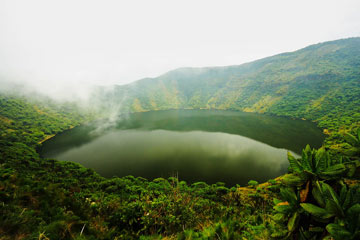
Lake Ihema and wetland birdlife

Lake Ihema is one of Akagera’s defining places. Where road-based safaris reveal the dry-country side of the park, a managed boat outing offers a different perspective on the water. Hippos, Nile crocodiles and numerous waterbirds occur here, although their visibility varies. Herons, kingfishers and other wetland birds reward visitors willing to spend time watching rather than rushing between sightings.

The park is particularly interesting to birdwatchers because it combines papyrus and marsh habitats with woodland and savannah. Someone travelling primarily for birds should discuss target habitats and guide expertise before fixing an itinerary. A boat trip and a vehicle safari complement each other, rather than replacing one another.

Conservation and the park’s recovery

Akagera’s recent history is essential to understanding the destination. The park experienced serious pressure from human settlement and poaching, and its recovery has involved stronger protection, habitat management and species reintroductions. The Rwanda Development Board and African Parks have managed the park in partnership since 2010. Lions were returned in 2015 and eastern black rhinos in 2017, milestones that helped rebuild ecological processes and strengthened the park’s safari appeal.

Conservation is not simply a backdrop for a wildlife photograph. The long-term future of Akagera depends on habitat protection, coexistence with communities around its boundaries and careful tourism management. Visitors can support that work by following the designated road network, respecting wildlife distance and observing park rules.

When to go and what to bring

Akagera can be visited across the year, but rainy periods can affect road conditions, visibility and the rhythm of wildlife viewing. Drier conditions may make some routes easier, while greener months bring attractive scenery and bird activity. Rather than choosing a date on the promise of a perfect sighting, allow enough time for patient exploration.

Bring sun protection, drinking water, binoculars, a light layer for early starts and a camera with a suitable zoom if photography is important. Follow instructions about remaining in the vehicle and never feed wildlife. Akagera works particularly well alongside Rwanda’s forest destinations because it adds open-space ecology and a very different style of safari to the journey.

Before you travel

Planning your visit

Planning a visit from Kigali

Akagera is commonly reached by road from Kigali. The journey and the time available inside the park should be considered together: a brief visit can introduce its landscapes, but an overnight stay offers more freedom to explore different sections without hurrying. Travel time varies with route, road conditions and the chosen entry point, so it is best confirmed when arranging transport.

Game drives take place by vehicle, either with a tour operator or under the park’s self-drive arrangements. Road surfaces and driving conditions can vary; a suitable vehicle and current park guidance matter. Guided experiences, boat departures and any overnight arrangements should be checked and booked with authorized providers ahead of travel. Do not assume every activity operates on every date.

Plan your journey

Plan your Akagera National Park safari

Tell us what you would like to experience and we'll help plan a route that suits your trip.

Enquire Now
WhatsApp Email Us